DARCARS Toyota of Baltimore

Blog / Maintaining Your Toyota

Driving in Baltimore, MD: How to Check Tire Pressure on Your Car

Tire Pressure Check in Baltimore, MD
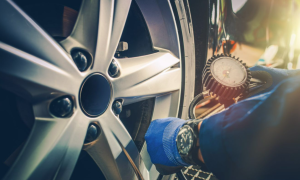
Overinflated tires are more likely to blow out or lose traction, causing a skid. Under-inflated tires tend to overheat and experience tread separation. Whether you're driving in Baltimore, MD, or anywhere else, it's important to check tire pressure regularly. Here's how to do it in seven simple steps.  

Set an Appropriate Schedule

Inspecting your tires should become routine. It's recommended to measure your tire pressure once a month, or twice a month if you drive more frequently. And always check your tires before you set off on a long journey that will put your tires under a lot of pressure.

Prepare the Necessary Tools

The only tools you'll need for this job are a tire pressure gauge and an air compressor. You can buy both at most auto parts stores. You can also find an air compressor at your local gas station. Many states require by law that air is provided for free to any driver who needs it at a gas station.  

Digital vs. Analog Pressure Gauges

You'll need to purchase your own tire pressure gauge. You can use either a digital gauge or an analog one. Digital gauges tend to be more durable and slightly more accurate over time. But they're also more expensive, and they need batteries.  

Start When the Tires Are Cold

You'll need to wait at least three hours after driving for the air inside your tires to be completely cold. You'll only get an accurate PSI reading when the tires are cold because heat from the road temporarily expands the air, artificially pumping up pressure readings. For this reason, many drivers only check their tires first thing in the morning.  

Know Your Vehicle's Optimal PSI

The recommended tire pressure for most cars falls between 32 and 36 pounds per square inch (PSI). To find out the optimal tire pressure for your car, look in your owner's manual. You will also see this figure on a sticker inside the driver-side door of your car.  

Take Off the Air Valve

Each tire has a thin air valve that pokes out of the sidewall. Remove the valve's cap and keep it in your pocket where you won't lose it. A little air will hiss out when you take off the cap, which is fine.   If you haven't checked your tires for a while, the cap might be a bit stiff. You can use a pair of pliers to help unscrew it.  

Apply the Pressure Gauge to the Valve

Press the gauge against the valve and after a second or two, you'll be given a PSI reading. Compare this reading to your vehicle's optimal PSI.  

Adjust Air as Required

Add air if the PSI reading is too low, and remove air if the reading is too high. To add air, use the air compressor. To remove air, you can press the little dot on the back of your gauge against the valve. This will let the air out.   Whether you're adding or removing air, make the changes in little increments, checking the PSI in between each one. When the PSI is just right, put the valve cap back on and check the next tire.   Whether you handle the task yourself or need a local professional to handle the care of your tires, we can help here at DARCARS Toyota of Baltimore! Visit our blog to learn more ways to maintain your car or click here to schedule a service appointment with us!

Posted in:

Related Posts

New Headlights in Baltimore, MD

Time for New Headlights? Visit Your Toyota Dealer in Baltimore, MD Today

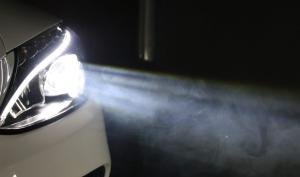
Headlights aren't used as often as many other components, but they're essential for allowing you to see in low-visibility conditions. Good headlights allow you to see the road and other vehicles and pedestrians. They also enable you to be seen. Your Toyota dealer can fix any headlight problem and fit new headlights if necessary. These are a few signs that you have a headlight problem and when to have your trusted auto repair shop install new ones in Baltimore, MD. White Spots on the Lenses Your headlights have clear plastic lenses, which are designed to allow the light to shine and still be protected against the elements. The headlight bulbs fit into sockets that connect to the electrical system. This makes it essential that water doesn't enter the headlight recesses. If water gets into the sockets, it will rust them and can create a short circuit. The lenses are securely attached to your car, but they can become damaged by grit or other road debris. A crack in a lens will easily allow water to enter the recess. The water will dry in the heat and leave white spots behind on the inside of the lens. Our technicians will examine the sockets and other parts of the system and repair or replace any damaged parts. more Blown Bulbs Headlight bulbs, like light bulbs in your home, have a limited life and will eventually fail. The lifespan of a headlight bulb varies between 500 hours and 30,000 hours, depending on the type of bulb installed in your car. As your bulbs wear out, they will become dim or will start to flicker. These two signs usually mean that your bulbs are failing. Blown bulbs can also be caused by other problems in your car. A worn alternator, for example, can also cause your bulbs to dim or flicker. In this case, the problem is caused by a lack of power supply from the alternator. Bulbs depend on a constant and consistent supply of power. If this power is interrupted, the bulbs will fail sooner than they should. Our technicians will replace the bulbs once we've repaired any electrical problems. Worn Fuses or Relays Your headlight bulbs have fuses connected to them. These fuses are designed to blow out if the electrical circuit is overloaded. If an electrical short occurs, the fuse will blow, and the headlight bulb will fail until the fuse is replaced. Depending on the type of bulb, the blown fuse could also cause the bulb to blow. Relays are installed in your headlights to regulate the high and low beams. A failed relay will prevent the high beams from switching on. We'll need to check the relays and fuses to fix this problem. DARCARS Toyota of Baltimore makes replacing your headlights simple and straightforward. Schedule a service online now to get the process started or contact us today if you have any questions.

Radiator Repair in Baltimore, MD

Does Your Car Need a Radiator Repair in Baltimore, MD?

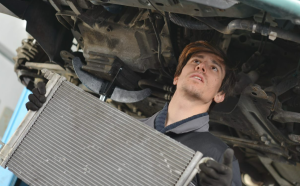
Your car engine works hard and generates a lot of heat, so it needs a fully-functioning radiator to keep it cool. Radiator problems can lead to serious problems down the line, but how do you know when it's time to contact your Toyota dealer for timely radiator repair? Read on to find out. Overview The radiator runs water and coolant through the engine to absorb the heat generated by combustion and then uses the airflow through the front of the vehicle to cool the liquid down again. However, there are a number of ways in which this system might go wrong. more Be Alert to Leaks Coolant comes in a variety of bright colors, depending on the manufacturer, and if you see a leak of the same color from underneath the car then it means there's a leak in the system. This might be from a crack or a faulty hose, but if left untreated, it will drain your radiator of fluid and render it ineffective. A mechanic can identify the source of the leak and may be able to patch it.   It's also worth checking your coolant levels regularly, although remember not to top them up unless the engine is cold. Watch Out for Rust While you're checking your coolant, look at the color through the transparent sides of the reservoir. If it's brown or discolored, then it has probably been contaminated by rust. If you can see rust on the outside of the radiator itself, you can assume that it's probably also building up on the inside as well.   Rust can cause serious problems in the system, as it mixes with the coolant to prevent it from absorbing heat effectively and forms a corrosive sludge that will damage other parts of your engine. If this occurs, the whole radiator system will need to be flushed. Stay Aware of the Temperature Because your car radiator is designed to keep it cool, overheating is a common symptom of radiator problems. If your car has one, keep an eye on the temperature gauge, and never ignore a dashboard warning light or steam from under the hood.   The radiator is controlled by a thermostat that monitors temperatures under the hood. It could be that this has broken and is no longer able to detect when the engine needs cooling, but either way, you need a professional opinion on the problem.   A malfunctioning radiator can lead to engine block, cracked cylinders, and issues with the transmission. At worst, it could mean that your entire engine is damaged beyond repair, so don't hesitate to act on your concerns if you think there's a problem. Schedule an appointment at DARCARS Toyota of Baltimore, and we'll make sure that your car receives the very best diagnosis, maintenance, and repair. You can also discover many of the essential auto repairs we can handle for you at our certified Toyota service center in Baltimore, MD today!

Toyota Express Maintenance Baltimore, MD

What Is Toyota Express Maintenance?

Maintaining your vehicle has never been easier or more convenient than with Toyota Express Maintenance (TXM). The Toyota-trained technicians provide affordable and speedy top-quality services to help you keep your vehicle performing at its best and a pleasure to drive. Convenient, Fast, and Expert TXM Services When your vehicle requires factory-scheduled maintenance or minor repairs, there is only one place you can rely on to provide you with the best, fastest, top-quality service. Your Toyota dealer offers a range of competitively priced TXM services performed by experienced Toyota-trained technicians to get you back on the road quickly. With a pit crew-inspired approach, your vehicle will receive a fast and reliable service at a time that suits your busy schedule. The services TXM technicians provide include the following: more Multi-Point Inspection Routine inspections are paramount to keep your Toyota running at its best. The Toyota-trained technicians will perform a multi-point inspection, which includes a fluid check and a visual assessment of all the critical vehicle systems to determine the overall condition of your Toyota and the maintenance required. Oil and Filter Change Proper engine lubrication is essential to help reduce friction and heat and ensure your engine performs optimally. During your Toyota oil change, the technicians will change the old oil with the proper oil type for your engine, replace the oil filter, and reset the maintenance indicator. Complimentary Fluid Inspection and Top-Off An inspection of all the essential fluids in your vehicle will be performed, including brake, coolant, power steering, transmission, and windshield washer fluid. If any of these fluids require topping off, the technician will do so at no extra charge. Brake Inspection Keeping your vehicle's brakes in good condition is essential for your safety. Your brakes will be inspected, and the brake pad thickness will be measured to determine if a brake pad replacement is necessary. Tire Rotation Regular tire rotations ensure your tires wear evenly and last longer. It also improves your vehicle's fuel economy and handling performance. After the technicians rotate all four tires, they will reset your vehicle's Tire Pressure Monitor System. Additional TXM Services Besides regular scheduled maintenance, there are many other speedy services to keep your vehicle in great shape, including tire repair, mounting and balancing, four-wheel alignment, minor brake service, drain and refill, and belt and hose replacements. Toyota Genuine Parts When your vehicle needs replacement parts for minor repairs, the certified technicians at your Toyota dealer only install Toyota genuine parts during a repair. Toyota genuine parts are precision-engineered to maintain your vehicle's superior performance. Find Toyota Express Maintenance in Baltimore, MD Here! When it comes to maintaining your Toyota, depend on the experts who know your vehicle and can provide you with the best quality service done fast and right. Stop at DARCARS Toyota of Baltimore today for a quick and reliable express service and ensure your Toyota is in excellent running condition.