

DARCARS Toyota of Baltimore

Blog / Tips & Tricks

Blog

All Tips & Tricks Baltimore Toyota Dealer Learn About Toyota Models Baltimore Toyota Service Maintaining Your Toyota Living in Maryland Toyota SUVs DARCARS Toyota of Baltimore Service Toyota Hybrid Toyota Trucks Hybrid Cars Baltimore MD Toyota Highlander Driving in Maryland Baltimore Used Cars Toyota Camry Toyota Corolla Toyota EVs Toyota RAV4 Toyota Tacoma Auto Financing in Baltimore MD Baltimore Toyota 4Runner Toyota All-Wheel Drive Toyota bZ4X Toyota Crown Toyota GR Corolla Toyota Highlander Hybrid Toyota Prius Toyota Sienna Toyota Tires Toyota Tundra Used Toyota Car First Aid Kit Car Maintenance Flat Tire Fuel Efficiency Oil Change Baltimore Road Trips Safety Tips Toyota 4-Wheel Drive Toyota 4WD Toyota Accessories Toyota Camry Hybrid Toyota Corolla Cross Toyota Corolla Cross Hybrid Toyota Corolla Hatchback Toyota Express Maintenance Toyota GR86 Toyota Grand Highlander Toyota Grand Highlander Hybrid Toyota Land Cruiser Toyota Maintenance Plans Toyota Nightshade Edition Toyota Prius Prime Toyota RAV4 Hybrid Toyota Sequoia Toyota Summer Services Toyota Sunroof Toyota Towing Capacity Toyota TRD Models Toyota Warranty Transmission Service Used Car Dealer Baltimore Winter Car Maintenance
New Toyota Hybrid Car Baltimore, MD

What Affects Fuel Efficiency?

Fuel efficiency is something that is becoming an increasing concern for many drivers. From fuel savings to reducing your carbon footprint, there are many reasons why you may want to have an efficient vehicle. What Is Affecting My Vehicle's Fuel Efficiency? Your driving habits have a big part to play in how fuel-efficient your vehicle is. Let's take a look at some factors affecting the amount of mileage you get from each tank of fuel. Speeding Not only is it illegal to speed, but it's also a way to impact your vehicle’s efficiency. Driving too fast increases air resistance, making your engine work harder and burn more fuel. Excess Weight If you're carrying too much in the trunk, it's time for a clear-out! Loading down your vehicle with heavy items makes its engine work much harder, increasing your fuel consumption. Sharp Braking and Accelerating If you drive aggressively, your vehicle has to switch gears faster, and that can significantly impact your fuel economy, especially if you brake and accelerate sharply on a regular basis and over long distances. Short Journeys If you're always hopping into your vehicle to take a quick trip to the local store, you might want to limit those shorter trips. Short journeys don't give your engine sufficient time to fully warm up, causing it to use up more fuel. Cold Weather Travel It takes much longer for your vehicle's engine to properly warm up during cold weather, so it'll burn more fuel with each winter trip. Idling Leaving your engine running to allow your vehicle to warm up on cold days or while parked is bad news for your fuel economy. You'll be burning fuel without going anywhere. Poor Maintenance You don’t want to overlook regular vehicle maintenance, because you might end up spending more in the long run if you forget your annual service. Poorly maintained vehicles are less efficient. For example, failing to replace a dirty air filter will affect the performance of your engine, in turn requiring it to use more fuel. Tire Problems Tires that are poorly aligned or worn will put your vehicle under extra strain, causing its engine to work harder and burning more fuel. Looking for an Efficient Car in Baltimore, MD? If it's time to invest in a new, efficient vehicle, you need look no further than our dealership! Visit us at DARCARS Toyota of Baltimore, in Baltimore, MD to see our impressive range of new Toyota vehicles.

Winter Driving Baltimore, MD

How to Winterize Your Car

As winter approaches, preparing your car for the cold and harsh conditions can make all the difference in what the season means for you. Winter car maintenance is an essential part of staying safe and keeping your vehicle operating efficiently. It helps you avoid breakdowns and accidents caused by icy roads, snow, and decreased visibility. Winter Car Maintenance in Baltimore, MD Check Your Battery Cold weather can be tough on your car's battery. The chemical reactions required to generate power in a car battery slow down in colder temperatures, so have your battery tested to ensure it's fully charged, and consider replacing it if it's older than three years. Also, keep the battery terminals clean to help ensure a good connection. Replace Wiper Blades and Refill Wiper Fluid Visibility is key in winter driving. Replace your wiper blades with winter-specific ones that can handle heavy snow and ice. Also, make sure your windshield washer reservoir is filled with a freeze-resistant wiper fluid to help improve visibility and remove ice build-up. Check Your Tires Tires lose pressure in cold weather, which can lead to decreased traction. Check your tire pressure regularly and refill as necessary. Consider investing in winter tires, which are designed to provide better traction, handling, and braking in snow and ice. Use Antifreeze Antifreeze is essential to keep your engine from freezing. Ensure your radiator is filled with a 50-50 mix of antifreeze and water. This mixture lowers the freezing point of the fluid inside your radiator and helps protect the engine against both freezing and overheating. Change Your Oil Cold weather can thicken your car's oil, making it less effective. Consider switching to a thinner, less viscous oil for the winter months. Check your owner's manual for the manufacturer's recommendations on the appropriate oil viscosity for different temperatures or come talk to us about your needs. Prepare an Emergency Kit Always have an emergency kit in your car. Include items such as a blanket, gloves, hat, non perishable food, water, portable charger, flashlight, first-aid kit, extra windshield washer fluid, ice scraper, and a bag of sand or cat litter for traction if you get stuck. Inspect Belts and Hoses Cold temperatures can weaken the belts and hoses in your car's engine, and a belt or hose failure can cause problems from inconvenient to dangerous. Have them inspected and replaced if they show signs of wear or cracks. Keep Your Fuel Tank Full Keeping your gas tank at least half full during the winter can help prevent moisture from forming in your gas lines and possibly freezing. It also ensures that you have enough fuel in case of unexpected delays or traffic due to winter weather conditions. Winterize Your Toyota at Our Baltimore, MD Toyota Dealership Contact DARCARS Toyota of Baltimore for advice or other help in winterizing your car! Remember, preparation is key to handling the challenges of winter driving.

Family Taking Picture on Road Trip Baltimore, MD

How to Prepare for Your Next Road Trip

So, you're ready to hit the road for your next great adventure. How do you get ready for your upcoming travels? Whether you’re adventuring around Maryland or going elsewhere, you will need to prepare. Read on for some tips on how to prep for a road trip to remember. Revving Up for a Road Trip Maybe you want to travel along icons like Route 66 or the Oregon or Appalachian Trails. Or perhaps you want to keep your journey more local. Whatever your desire, a stress-free trip will require some planning. For one, you'll need to map out your path and determine where your journey will begin and end. Along the way, you should plan for pit stops, whether they be for fuel, tourism, or overnight stays. Depending on your destination, you may want to stay in hotels or rough it in camping or RV parks. A great camping auto will have basic features like ample cargo space and towing capacity, solid off-road capabilities, and plentiful accessory availability. The light-duty Toyota Tundra pickup more than meets these specifications, with powerful four-wheel-drive and 10-speed automatic transmission, massive storage and towing (an over 11,000-pound hauler), and an impressive off-road package. Plus, camper customizations are in abundance. Auto Preparations Selecting your faithful auto companion for your trip is just as important as choosing a route. If your trip is especially long, a smaller vehicle with good fuel economy is probably your best bet. But if you anticipate taking a large group or going off the beaten path a lot, bigger and more off-road-ready might be better. When you have chosen your ride, you can get it primed for action with the following steps. Tire Management Your tires will become your road warriors on your trip, so ensure they are in top working order. Tires that show tread erosion or other signs of wear and tear should be replaced. For mostly city trips, highway tires may work best. If you anticipate roads being rougher, you might want to invest in all-terrain tires. Thorough Checkup Your tires are not the only vehicle parts that will be doing heavy lifting. You'll also want to assess the health of your brakes, engine, lights, battery, and even wiper blades. An inspection from certified technicians can provide assurance that your promising trip will not end in a roadside break-down. A maintenance visit can take care of other tasks that help keep your auto running strong, such as oil, transmission, and wiper fluid changes. Plus, you can get those tires assessed for proper pressure, rotation, and other measures. And the value of a good cleaning in maintenance should not be underestimated. A clean vehicle gives you more room and elevates your mood. Emergency Road Kit Even the best-laid plans can sometimes go awry, which is why preparing for the worst is always a wise maneuver. Packing a few essential items along with your other cargo can ultimately save you time and money. Must-have items include jumper cables, road flares, a first-aid kit, a flashlight, and fundamentals such as food, water, and warm clothing. Ideally, your auto will already have enhanced safety and driver assist features like lane-keeping assist, adaptive cruise control, navigation tech, and collision warnings that can help keep you out of risky situations. Remember to Get Your Car Serviced Before Your Road Trip Before you set out for adventure, schedule a service appointment with DARCARS Toyota of Baltimore or browse an inventory of autos ideal for any journey.

Tires Baltimore, MD

What to Do If You Get a Flat Tire

Being stranded on the open road with a flat tire is never an ideal situation. You may immediately start to worry about cost, safety, and convenience, especially when you're in an unfamiliar area. We will discuss what to do if you notice your tire is flat while driving on Baltimore, MD roads and elsewhere. Slow Down When your tire goes flat while driving, the first and most important thing to do is to slow down. This can be challenging, especially if you're on a busy highway where it feels like everyone else is in too much of a hurry. Wherever you can, try to gradually move toward the right-hand side of the lane to allow other drivers plenty of distance as they pass. In addition, drive below 50 mph for better control of the vehicle and less potential damage to the rim. As you drive slowly, you should actively scan for potential safe locations, such as shoulders adjacent to parking lots or rest areas, keeping in mind that you may need additional room to inspect the tire. Pull Over Be sure to use your indicators as you try to get off the road. Once you're in a safe spot, the next step is to inspect your tire. Usually, if there's a puncture in the tire, then it's visible right away. However, sometimes it's difficult to locate the source of the air leak. In such situations, you'll need to look out for signs such as irregular wear patterns or bulging of the tire wall. Both could indicate that the inner structure of the tire has been damaged. Call for Roadside Assistance If you are experienced in changing tires, then you can do it yourself. But if you're not, it's best to call for roadside assistance. Most dealers offer 24/7 emergency roadside assistance and will arrange for someone to come and change the tire as well as bring the vehicle back to the garage. Note, even though you may have changed the tire successfully by yourself, it's highly recommended to visit your local car dealer regardless. Doing so will help get more information on what caused this issue and if there are any other underlying issues, such as unbalanced tires, that influenced this experience. How Long Does It Take to Fix a Flat at a Dealership in Baltimore, MD? You could expect to be in and out of the dealership with a newly-inflated tire relatively quickly. The experienced technicians are well-versed in all Toyota models and will quickly replace the flat using factory-approved parts so that you're back on the road in no time. Contact us at DARCARS Toyota of Baltimore for all your automotive needs. We offer convenient online scheduling, timely service, and competitive prices.

New Headlights in Baltimore, MD

Time for New Headlights? Visit Your Toyota Dealer in Baltimore, MD Today

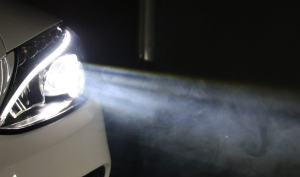
Headlights aren't used as often as many other components, but they're essential for allowing you to see in low-visibility conditions. Good headlights allow you to see the road and other vehicles and pedestrians. They also enable you to be seen. Your Toyota dealer can fix any headlight problem and fit new headlights if necessary. These are a few signs that you have a headlight problem and when to have your trusted auto repair shop install new ones in Baltimore, MD. White Spots on the Lenses Your headlights have clear plastic lenses, which are designed to allow the light to shine and still be protected against the elements. The headlight bulbs fit into sockets that connect to the electrical system. This makes it essential that water doesn't enter the headlight recesses. If water gets into the sockets, it will rust them and can create a short circuit. The lenses are securely attached to your car, but they can become damaged by grit or other road debris. A crack in a lens will easily allow water to enter the recess. The water will dry in the heat and leave white spots behind on the inside of the lens. Our technicians will examine the sockets and other parts of the system and repair or replace any damaged parts. Blown Bulbs Headlight bulbs, like light bulbs in your home, have a limited life and will eventually fail. The lifespan of a headlight bulb varies between 500 hours and 30,000 hours, depending on the type of bulb installed in your car. As your bulbs wear out, they will become dim or will start to flicker. These two signs usually mean that your bulbs are failing. Blown bulbs can also be caused by other problems in your car. A worn alternator, for example, can also cause your bulbs to dim or flicker. In this case, the problem is caused by a lack of power supply from the alternator. Bulbs depend on a constant and consistent supply of power. If this power is interrupted, the bulbs will fail sooner than they should. Our technicians will replace the bulbs once we've repaired any electrical problems. Worn Fuses or Relays Your headlight bulbs have fuses connected to them. These fuses are designed to blow out if the electrical circuit is overloaded. If an electrical short occurs, the fuse will blow, and the headlight bulb will fail until the fuse is replaced. Depending on the type of bulb, the blown fuse could also cause the bulb to blow. Relays are installed in your headlights to regulate the high and low beams. A failed relay will prevent the high beams from switching on. We'll need to check the relays and fuses to fix this problem. DARCARS Toyota of Baltimore makes replacing your headlights simple and straightforward. Schedule a service online now to get the process started or contact us today if you have any questions.

Car Brake Pads in Baltimore, MD

Driving in MD: How Often Should You Replace Your Brake Pads?

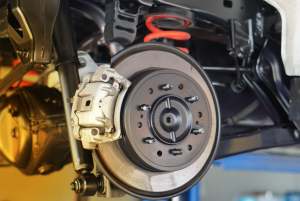
When you're driving in beautiful Baltimore, MD you might not think of your brake pads, but they're helping to keep you safe. These pads generate friction that helps to slow and stop your car. If the pads are worn or damaged, braking will become more difficult. We'd like to tell you more about your pads and how to know when you need to get them replaced from your trusted auto repair shop in Baltimore, MD. How Do the Pads Work When you hit the brakes, pressurized brake fluid is forced into the hoses. This fluid pushes the pins out of the calipers and causes them to close on the wheel's rotors. Each caliper contains a pad that is pushed against the rotor. The pads have a thick friction material covering that generates friction, and this slows and stops your car. How Long Do Pads Last? Your pads are 1/2" thick when they're new. Each time you apply your brakes, tiny particles of the pads flake off. When a pad reaches 1/4" thickness, it's time for a replacement. This wear is a gradual process, and your pads will need replacement between 30,000 miles and 70,000 miles. Since an average car travels 12,000 per year, this means your pads should be replaced every two to five years. Your car manual will give the exact replacement time for your pads. It's also important to remember that your pads could wear out sooner than expected. Damaged braking components or even driving habits can increase the rate of wear on your pads. Signs Your Pads Need Replacement There are several indicators that your pads are wearing out and need replacement. These are some signs that your pads need to be replaced ASAP. Screeching Sounds As the pads become more worn, you'll notice that it takes slightly longer for your car to come to a stop. This is because the thinner pad can't generate sufficient friction to stop your car immediately. A screeching sound from your brakes is almost always a sign that your pads are worn. The screeching is caused by a metal spike inside each pad. When a pad has worn down for 1/4" thick, this spike is revealed. This spike will scratch against the surface of the wheel rotor as a warning that your pads need to be replaced. Grinding Sounds If the pads aren't replaced when they should be, they will continue to wear out. Once the material covering has worn off, the metal of the pads will clamp against the rotors when you brake. The rough metal of the pads will scour the rotors and produce a harsh grinding sound. Pads tend to be affordable and easy to replace. Schedule a service at DARCARS Toyota of Baltimore when you’re in need of a brake repair or service.

Catalytic Converter in Baltimore, MD

6 Signs Your Car Needs a New Catalytic Converter in Baltimore, MD

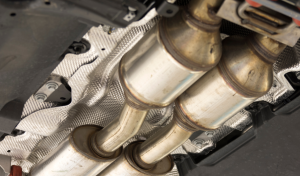
Within its unassuming steel casing, your catalytic converter contains some remarkable materials. Precious metals such as palladium, rhodium, and platinum coat a delicate honeycomb meshwork which cleans the more unpleasant emissions of your engine. But sometimes a cat can run into trouble, in which case your vehicle performance is likely to suffer. If you notice any of the following six problems, you might need to visit your local Toyota dealer to have your cat promptly fixed or replaced. Diminished Acceleration Are you stepping on the gas but your car isn't accelerating as it should? This can be a rather worrying experience while you're trying to overtake or cross a busy intersection. One possible cause of reduced acceleration is an oxygen-starved engine because of a clogged cat. When emissions can't readily release through the cat and exhaust system, the airflow becomes backed up. This means the engine can't draw in fresh oxygen at the same rate as before. The result is an inefficient combustion process and less accelerative power. Plummeting Gas Mileage An engine that's struggling in this way because of a faulty cat will guzzle gas at a faster rate. The fuel-air mixture inside the combustion chambers has become unbalanced. The fuel being injected isn't generating as much driving force as it should.   To compensate, more fuel will be used, and, at the same time, you'll be covering less distance. So if you find yourself spending more time at gas stations, consider having your cat inspected. Faltering When Idling If the fuel-air mixture becomes unbalanced, the inside of your combustion chambers will rapidly become coated in excess, unburned fuel. This excess fuel coats the spark plugs, eventually causing misfires. You're likely to first notice this when your car starts idling roughly. Your engine will shake and shudder strangely and emit coughing, sputtering noises. Heat Building Under Your Car When cats become broken or clogged up, the emissions struggling to escape become backed up in the exhaust system. This creates an immense amount of heat. If you suspect cat problems, check how hot it is under your car. Of course, never touch any heated metalwork with your bare hand in case you get burned. Sounds of Rattling Metal If either your cat or its inner meshwork has become somehow loosened, you'll hear metallic rattling sounds from below while you're driving. This is likely to be accompanied by the indications of engine trouble previously mentioned. Your Toyota Service Center Finds a Fault Every driver should have their exhaust system periodically examined. An experienced technician at your trusted Toyota service center can find cat faults long before you notice the symptoms. This can often prevent the issues from developing and creating worse problems in your engine.   DARCARS Toyota of Baltimore has your back no matter what type of service or repair your car, truck, or SUV needs! So if it is time for a new catalytic converter in Baltimore, MD, don't hesitate to contact us or schedule a service with us today!

Tire Pressure Check in Baltimore, MD

Driving in Baltimore, MD: How to Check Tire Pressure on Your Car

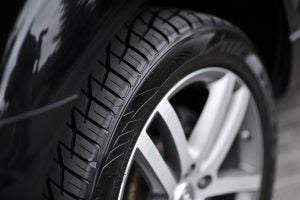
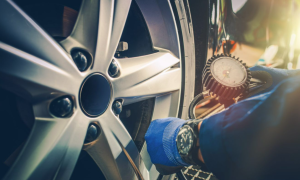
Overinflated tires are more likely to blow out or lose traction, causing a skid. Under-inflated tires tend to overheat and experience tread separation. Whether you're driving in Baltimore, MD, or anywhere else, it's important to check tire pressure regularly. Here's how to do it in seven simple steps. Set an Appropriate Schedule Inspecting your tires should become routine. It's recommended to measure your tire pressure once a month, or twice a month if you drive more frequently. And always check your tires before you set off on a long journey that will put your tires under a lot of pressure. Prepare the Necessary Tools The only tools you'll need for this job are a tire pressure gauge and an air compressor. You can buy both at most auto parts stores. You can also find an air compressor at your local gas station. Many states require by law that air is provided for free to any driver who needs it at a gas station. Digital vs. Analog Pressure Gauges You'll need to purchase your own tire pressure gauge. You can use either a digital gauge or an analog one. Digital gauges tend to be more durable and slightly more accurate over time. But they're also more expensive, and they need batteries. Start When the Tires Are Cold You'll need to wait at least three hours after driving for the air inside your tires to be completely cold. You'll only get an accurate PSI reading when the tires are cold because heat from the road temporarily expands the air, artificially pumping up pressure readings. For this reason, many drivers only check their tires first thing in the morning. Know Your Vehicle's Optimal PSI The recommended tire pressure for most cars falls between 32 and 36 pounds per square inch (PSI). To find out the optimal tire pressure for your car, look in your owner's manual. You will also see this figure on a sticker inside the driver-side door of your car. Take Off the Air Valve Each tire has a thin air valve that pokes out of the sidewall. Remove the valve's cap and keep it in your pocket where you won't lose it. A little air will hiss out when you take off the cap, which is fine.   If you haven't checked your tires for a while, the cap might be a bit stiff. You can use a pair of pliers to help unscrew it. Apply the Pressure Gauge to the Valve Press the gauge against the valve and after a second or two, you'll be given a PSI reading. Compare this reading to your vehicle's optimal PSI. Adjust Air as Required Add air if the PSI reading is too low, and remove air if the reading is too high. To add air, use the air compressor. To remove air, you can press the little dot on the back of your gauge against the valve. This will let the air out.   Whether you're adding or removing air, make the changes in little increments, checking the PSI in between each one. When the PSI is just right, put the valve cap back on and check the next tire.   Whether you handle the task yourself or need a local professional to handle the care of your tires, we can help here at DARCARS Toyota of Baltimore! Visit our blog to learn more ways to maintain your car or click here to schedule a service appointment with us!

Dented Car in Baltimore, MD

What Should You Do If Your Toyota Gets Dented in Baltimore, MD?

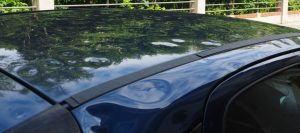
All cars get dented sooner or later. But if you've bumped into something or someone else has knocked into you, leaving their mark, there's no need to despair. Car dents can sometimes be repaired at home using one of the following techniques. Of course, a technician at your local Toyota dealership can also sort it out for you. Suction Cup Dent Remover The easiest way to fix it yourself is with a specially designed suction cup kit. These tools come in different sizes for all different kinds of dents. They also come with instructions on how to prepare the bodywork, apply the suction cup tool, and yank the dented metal back out. Sink or Toilet Plunger You might be surprised how often dents can be sorted out with a simple plunger for your sink or toilet. Either a cup or flange plunger can often do the job. First, pour boiling water over the dented area or heat it with a hairdryer, then apply the plunger and see if it pops back out. Boiling Water Dents commonly occur in plastic areas like the bumper. In this case, you might be able to soften the material with boiling water and then reach behind it and push the dent out with your hand.   The heat from the water causes the plastic material to expand and soften, allowing you to fix it. You might need to repeat the process a few times before your bumper looks good again. Please be very careful any time you use boiling water in this manner. Dry Ice When dealing with dents, it helps to remember that the material of your bodywork wants to spring back to its original shape. That's why dramatically altering the material's temperature can help it pop back out.   One way to do this is with dry ice, which works well for smaller, shallower dents. Make sure you're wearing protective gloves before you begin. Rub the dry ice against the dent until you hear the metal return to its true form. Hairdryer Your dent might have occurred in a place where you're able to apply pressure from the other side. In this case, use a hairdryer on maximum heat to warm up the affected area of bodywork. Then push from the other side. You can use a hairdryer to help prepare the dented material for any of the aforementioned techniques. Ask Your Toyota Dealer to Fix Your Car Dents If you're too busy to attempt the above DIY solutions, ask a technician to fix the dent for you. It's a small job that mechanics solve all day long, so it shouldn’t cost a lot of money. But having a professional fix it might save you a little time and hassle, and you know it'll be done right.   When you're ready to fix a dent yourself, we hope this blog comes in handy! Whether you're looking for more automotive tips or if you have a dent that will need special attention, visit us at DARCARS Toyota of Baltimore. Our auto repair shop will take care of the dents, so you don't have to! Schedule a service with us today!

Auto Finance Deal in Baltimore, MD

How to Finance Your New Toyota in Baltimore, MD

Are you ready to buy a new car in Baltimore, MD? If you are not going to buying the vehicle outright, one of the go-to options for shoppers is financing the vehicle. How does the financing process work? Let's take a look at some of the things that get considered when getting financing. How's Your Credit? One of the aspects that gets taken into consideration when getting auto financing is your credit. Looking into your credit before getting an auto loan and seeing if you're ready to take the next steps or you would like to work on your credit first so that you can get better terms for your car loan is an essential part of the process to ensure that you get the rate and loan right for your needs. The better your credit score is, you may be able to get a lower interest rate and better loan option to make your monthly payment more affordable. How Much Do You Want to Spend On a Car? Do you know what price is good for your budget? You want to make sure that the vehicle you pick is affordable and won't break the bank. Remember to check over your monthly bills, see how much of a car payment would work for you and then explore payment options on different vehicles to see if the car you like works for your lifestyle and budget. Buying vs. Leasing a New Car If you have decided on a new vehicle, one question that comes up a lot is if leasing or financing is the right option. Both have benefits, like leasing generally offers lower monthly payments, while buying allows you to build equity as time goes on. Do you want to customize your Toyota? Purchasing is the option for you! Do you want to enjoy the latest Toyota cars, trucks, and SUVs? Leasing is a great short-term option to look into. If you're interested in leasing, browse our lease specials now. Leasing also typically requires less down payment or up front costs, though purchasing can save you more in the long run. Also, if you plan to have the vehicle for many years, after you're done paying the car loan when buying you own the vehicle and will have no more monthly car payments. Find Finance Options at Our Toyota Dealership Have you gone through the process of preparing for financing or leasing a new Toyota? You can begin looking into financing options today at our Toyota dealership here in Baltimore, MD. We can go over the different finance packages available, explore more perks of leasing and buying, and get started on your trailor-made finance plan. Have you decided on financing your new Toyota? Getting pre-approved for financing a new car can speed the process along. Contact DARCARS Toyota of Baltimore to speak to our trusted finance managers if you need any help or advice!

Engine Leak in Baltimore, MD

4 Benefits of Getting an Engine Diagnostic Test From Your Local Toyota Dealer

The best way to prevent costly repair bills for your car is to maintain it regularly. Investing in an engine diagnostic test for your vehicle at your local Toyota dealer has a number of helpful benefits that will help ensure you get the most out of your car. Read on to learn how it can help you. Identify Any Issues With Your Engine Early The engine is the heart and soul of any car. Getting it properly maintained by factory-trained engineers allows you to make sure everything is working properly. Although your car might give you signals like the "check engine light," these professionals will be able to spot any issues the engine might have much earlier. Unfortunately, by the time you realize that there's a problem with your engine, it might have already wreaked havoc on your car, leading to costly repairs. Getting a quick and inexpensive diagnostic check to find and fix problems before they start is a no-brainer. Lower Your Running Costs Trained technicians don't just spot the big, costly problems with your engine. They can also fix more minor issues that might not seem urgent but will affect how efficiently your car operates and reduce wear and tear.   This can be issues like having your engine burn more fuel than normal or a problem with your exhaust. Investing in a diagnostic can actually end up saving you more money than you paid in the first place. Improves Car Safety If you don't get your car regularly checked, it can lead to dangerous issues in other places besides your engine, like your braking system. Most people don't realize that the CPU of your car doesn't just keep your engine in check - it is in charge of many essential systems, like your cooling system or your transmission.   If you have issues with any of these components, it can be incredibly dangerous for you, your family, and anyone sharing the road with you. Make sure you get your vehicle regularly checked to avoid any accidents. Your Car Will Last Longer A car that is taken care of properly will last longer. Toyotas have a long lifespan of up to 200,000 miles (10-15 years), but without proper maintenance, that can be cut by up to 50,000 miles! That adds up to a significant loss on your investment.   It's always better to get your engine checked regularly before it's too late. If you're ready to get your Toyota engine checked by highly skilled professionals, visit us at DARCARS Toyota of Baltimore or schedule a service appointment online now! Enjoying learning how to take care of your car? Click here to discover more ways to maintain your Toyota in Baltimore, MD.

Transmission Service in Baltimore, MD

3 Engine Problems You Should Always Fix at Your Toyota Dealer in Baltimore, MD

The powerful and dependable engine is one of the reasons you chose a Toyota. In time parts will wear out or break, and will need repair. As your Toyota dealer, we can repair any possible problem for you. These are a few of the engine problems that could occur, and we’ll be able to fix them for you. Your Car Won't Start Your car not starting is one of the most annoying problems for any driver. Inevitably, this is a problem that will happen when you're in a hurry. Your car requires three main components to work together to start your engine, namely the starter, the battery, and the alternator. The starter cranks your engine when it receives an electrical charge from the battery. The battery, in turn, requires the alternator to charge it. If your engine won't start, you may find the cause of the problem by jump-starting it. Once the engine is running, take off the jumper cables. If your engine continues to run, you likely have a worn battery. If your engine dies almost immediately, the problem is likely a dying alternator. Finally, if your car refuses to start, the starter is likely the problem. Our technicians will find and fix this problem for you. Your Engine Is Overheating If your temperature gauge is going up, your engine is in danger of overheating. An overheating engine can result in permanent damage to the pistons, cylinders, head gasket, and other vital components. A rising engine temperature means your cooling system is failing and needs to be fixed ASAP.   Your cooling system relies on high-pressure coolant absorbing heat from the engine and then taking it to the radiator, where the heat is removed. A cracked radiator, worn hoses, or a coolant leak are just some of the problems that can cause overheating. Our expert technicians will investigate your engine to find and fix the cause of the problem. Damaged Sensors Since the 1980s, all cars have had sensors. These sensors connect to your car's computer and provide information on the component they're attached to. Sensors monitor your cooling system, electrical system, exhaust system, and other essential parts of your car. The information they provide is used by your computer to make decisions.   The oxygen sensors in the exhaust, for example, monitor oxygen levels in the exhaust smoke. This information is used by your computer to determine the precise air-fuel mix for combustion. Sensors, unfortunately, can fail. A damaged sensor won't send information, and this can cause further engine trouble. We can test your sensors and replace any damaged ones.   Any engine problem gets worse if it's not repaired. Schedule an appointment at DARCARS Toyota of Baltimore or continue learning ways to maintain and keep up the performance of your Toyota today!

Contact Us

Fill out this form below and we'll contact you shortly
*Required Fields