

DARCARS Toyota of Baltimore

Blog / DARCARS Toyota of Baltimore Service

Blog

All DARCARS Toyota of Baltimore Service Baltimore Toyota Dealer Learn About Toyota Models Tips & Tricks Baltimore Toyota Service Maintaining Your Toyota Living in Maryland Toyota SUVs Toyota Hybrid Toyota Trucks Hybrid Cars Baltimore MD Toyota Highlander Driving in Maryland Baltimore Used Cars Toyota Camry Toyota Corolla Toyota EVs Toyota RAV4 Toyota Tacoma Auto Financing in Baltimore MD Baltimore Toyota 4Runner Toyota All-Wheel Drive Toyota bZ4X Toyota Crown Toyota GR Corolla Toyota Highlander Hybrid Toyota Prius Toyota Sienna Toyota Tires Toyota Tundra Used Toyota Car First Aid Kit Car Maintenance Flat Tire Fuel Efficiency Oil Change Baltimore Road Trips Safety Tips Toyota 4-Wheel Drive Toyota 4WD Toyota Accessories Toyota Camry Hybrid Toyota Corolla Cross Toyota Corolla Cross Hybrid Toyota Corolla Hatchback Toyota Express Maintenance Toyota GR86 Toyota Grand Highlander Toyota Grand Highlander Hybrid Toyota Land Cruiser Toyota Maintenance Plans Toyota Nightshade Edition Toyota Prius Prime Toyota RAV4 Hybrid Toyota Sequoia Toyota Summer Services Toyota Sunroof Toyota Towing Capacity Toyota TRD Models Toyota Warranty Transmission Service Used Car Dealer Baltimore Winter Car Maintenance
Getting Tire Rotation Baltimore, MD

How Often Should You Get a Tire Rotation in Baltimore, MD?

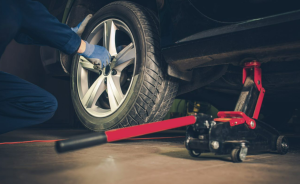
The roads of Baltimore, MD are well-kept and safe, with very few potholes or debris to threaten your tires. But even well-maintained tires on smooth roads can run into trouble if you fail to rotate them. Let's take a look at how often you take your car in for regular tire rotation and why it's so important. Every 5,000 to 7,500 Miles It's generally recommended for Toyota drivers to have their tires rotated every 5,000 to 7,500 miles. This is usually twice per year, so you could get them rotated every time you have an oil change. Your owner's manual will have a recommended interval for rotation. It's best to check what Toyota suggests for your particular model. more Keep Your Warranties Valid With Regular Rotation Most drivers want to keep their vehicle warranties valid. Even as unlikely as you are ever to need your warranty in a Toyota, it's always nice to have for peace of mind. So check how often your warranty stipulates rotation to stay valid. Then stick to that schedule. Depending on the kind of tires you're using, you might be more likely to need your tire warranty one day. Most tire warranties require service records showing that you've been having your tires rotated periodically in accordance with the manufacturer's recommendation. Rotate If Your Tires Are Wearing Unevenly The primary purpose of regular rotation is to prevent uneven wear across your tires, which leads to all kinds of problems. During your monthly tire pressure checks, also take a moment to measure your tread wear. If you notice uneven wear developing, bring your tires in for rotation and also ask the technician what might be causing the issue. Tires tend to wear unevenly due to the difference in weight and pressure at the front and rear of a car. But uneven wear can also be due to underlying problems such as damaged suspension, misaligned wheels, or improper tire inflation. Any such issues should be repaired. The Importance of Regular Rotation New tires start off with a tread depth of around 10/32 or 11/32 of an inch. Over time and use, the treads wear down. When a tire's tread depth reaches 2/32 of an inch, it's in danger of losing traction on the road and needs to be replaced. If you never rotated your tires, one or two of them would wear down faster than the others. This would hinder your vehicle's handling and responsiveness, and it only takes a single bad tire to cause a skid or blowout on the road. Regular rotation keeps the treads of all your tires nice and even, and it keeps you and your passengers safer, too. Have your tires rotated or replaced today at DARCARS Toyota of Baltimore. No matter your tire needs, our experienced service technicians are right for the job. We look forward to serving you today!
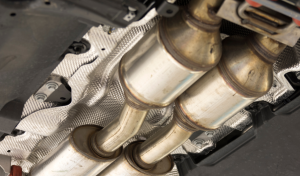
Catalytic Converter in Baltimore, MD

6 Signs Your Car Needs a New Catalytic Converter in Baltimore, MD

Within its unassuming steel casing, your catalytic converter contains some remarkable materials. Precious metals such as palladium, rhodium, and platinum coat a delicate honeycomb meshwork which cleans the more unpleasant emissions of your engine. But sometimes a cat can run into trouble, in which case your vehicle performance is likely to suffer. If you notice any of the following six problems, you might need to visit your local Toyota dealer to have your cat promptly fixed or replaced. Diminished Acceleration Are you stepping on the gas but your car isn't accelerating as it should? This can be a rather worrying experience while you're trying to overtake or cross a busy intersection. One possible cause of reduced acceleration is an oxygen-starved engine because of a clogged cat. more When emissions can't readily release through the cat and exhaust system, the airflow becomes backed up. This means the engine can't draw in fresh oxygen at the same rate as before. The result is an inefficient combustion process and less accelerative power. Plummeting Gas Mileage An engine that's struggling in this way because of a faulty cat will guzzle gas at a faster rate. The fuel-air mixture inside the combustion chambers has become unbalanced. The fuel being injected isn't generating as much driving force as it should.   To compensate, more fuel will be used, and, at the same time, you'll be covering less distance. So if you find yourself spending more time at gas stations, consider having your cat inspected. Faltering When Idling If the fuel-air mixture becomes unbalanced, the inside of your combustion chambers will rapidly become coated in excess, unburned fuel. This excess fuel coats the spark plugs, eventually causing misfires. You're likely to first notice this when your car starts idling roughly. Your engine will shake and shudder strangely and emit coughing, sputtering noises. Heat Building Under Your Car When cats become broken or clogged up, the emissions struggling to escape become backed up in the exhaust system. This creates an immense amount of heat. If you suspect cat problems, check how hot it is under your car. Of course, never touch any heated metalwork with your bare hand in case you get burned. Sounds of Rattling Metal If either your cat or its inner meshwork has become somehow loosened, you'll hear metallic rattling sounds from below while you're driving. This is likely to be accompanied by the indications of engine trouble previously mentioned. Your Toyota Service Center Finds a Fault Every driver should have their exhaust system periodically examined. An experienced technician at your trusted Toyota service center can find cat faults long before you notice the symptoms. This can often prevent the issues from developing and creating worse problems in your engine.   DARCARS Toyota of Baltimore has your back no matter what type of service or repair your car, truck, or SUV needs! So if it is time for a new catalytic converter in Baltimore, MD, don't hesitate to contact us or schedule a service with us today!

Preventative Car Maintenance in Baltimore, MD

Driving in Baltimore, MD: What Is Preventative Maintenance?

Preventative maintenance is the work that you do to ensure that your car doesn't suffer serious problems, especially when you're out on the road. It's certainly better than corrective maintenance to solve serious and costly problems, but it also reduces your risk of ending up in an accident. Here's our take on the essentials of pre-emptive car care in Baltimore, MD. Tire Checks Nothing is worth the risk of a blowout on the highway. But well-calibrated and properly inflated tires will also reduce wear on other components of your car and improve your driving experience. Scheduling a tire service like a rotation every six months will make sure that your car has better alignment and balance. It's also worth performing regular visual checks to make sure that your tires have a good tread depth for traction on the road. more Brake Services Brake pads are a wearing part of your braking system and protect other components from metal-on-metal friction that will cost a lot to fix. So it's important to ensure that your brakes are in optimal condition, especially as they'll suffer extra wear if you regularly drive in heavy Baltimore traffic. Ideally, you should aim to get a brake service every six months but never less than once a year. Oil Changes Oil is the lifeblood of your engine and will keep it running smoothly without dangerous levels of heat and friction. It's therefore essential that there's enough clean oil to keep it running. You should check your oil levels and condition once a month by removing the dipstick, wiping it, and replacing it to see the amount and color of the oil. If it is dark brown or black, then it's dirty and needs changing.   Although the use of synthetic oil means that you can leave a longer interval between changes, your oil should be drained and refilled at least once a year. Wash and Wax Cleaning the interior and exterior of your car will give you a sense of contentment and pride in your vehicle. It'll also prevent the development of long-term problems and protect your vehicle's resale value. Washing clears away contaminants such as tree sap, road salt, and bird droppings that might harm the paintwork and render it dull and patchy. It also improves visibility by keeping the windscreen and headlights clear.   Waxing tops up the clear coat and protects your car from deterioration and rust. You should wax your car four times a year for optimal protection and wash it every week.   With a cast-iron maintenance routine, your car will run reliably, cope better with difficult driving conditions, and retain its resale value. To get the benefits of expert knowledge and excellent customer service, let DARCARS Toyota of Baltimore be your trusted service center and schedule an auto service online with us anytime!

Car Headlights in Baltimore, MD

Electrical Problems? Visit Your Toyota Dealer in Baltimore, MD Today

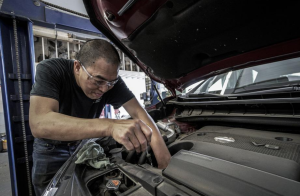
If your combustion engine is the beating heart of your car, the electrical system is like the circulation system, transporting power to multiple components and keeping the whole show on the road. Whether it's a sudden failure of your systems or a gradual brownout, it's important to contact your Toyota dealer when you experience electrical problems. Failing Battery Not all of the electrical issues that you might experience in your car are due to the battery, but it can cause multiple problems if it isn't in good health. A battery has a lifespan of between three and seven years, and if it's damaged or leaking, then you'll likely be able to see buildup and discoloration around the terminal when you pop the hood. If this is the case, exercise caution around its corrosive contents and schedule an appointment for a replacement. more If your battery is faulty, then multiple electrical systems in your car might start to fail, or stop working altogether. You might notice that: The lights in the car start to dim and flicker It's difficult to start the car The electric windows are reluctant and slow to move The entertainment system starts to fail The AC is weak or refuses to work at all Starting Problems Your car uses electricity from the battery to power the spark plugs that ignite the fuel in the combustion cylinders. So if there are problems with the charge, then you'll likely struggle to switch the engine on. The engine might "crank" by making a coughing noise when you use the ignition but refuse to turn over. Or you might find that there's no response at all. If this is the case, and the dashboard and lights refuse to turn on, your battery might be dead.   It might be a problem with the battery, but it could also indicate that the alternator isn't working properly. A grinding or clicking noise when you use the ignition suggests that the issue lies with the starter. If you're faced with any of these scenarios, then you need to schedule an appointment with your mechanic to find out exactly what's gone wrong. Blown Fuses You'll be able to tell if a fuse has blown, as it'll likely lead to the isolated failure of one component of your car. It's easy to fix, but if the same fuse blows twice in a short space of time then it could be down to faulty wiring or short circuits. A short circuit might also cause an electrical fire that melts the insulation on the wiring, so if you notice a smell of burning plastic, take your car off the road immediately and schedule a checkup.   As with all problems in your car, electrical issues are easier to solve with a trained technician and state-of-the-art technology. Schedule an appointment at DARCARS Toyota of Baltimore, and make the most of our excellent customer service and amenities while we get your car back to optimal condition.

Auto Repair in Baltimore, MD

3 Signs You Need A Radiator Repair in Baltimore, MD

To operate efficiently, your Toyota engine runs at a high temperature. Your car has a very efficient cooling system to control engine heat and prevent damage to any of its components. Your radiator is the center point of this system, but it can suffer damage. When you need a radiator repair, your Toyota dealer is here to help you. These are some of the signs that you have a radiator problem. Broken Water Pump When your engine gets too hot, liquid coolant is released into the engine. This liquid can absorb heat, and as it's pumped through the system, it draws in engine heat. This heat has to be removed, and that's where the radiator comes in. Once the liquid reaches the radiator, it enters rows of thin aluminum tubes, where the liquid is cooled by air flowing in through the radiator grille. more For this system to work, the coolant has to be under pressure and move at high speed. The water pump forces coolant through the system continuously until the engine temperature drops. If the water pump fails, coolant will still be released, but it won't be able to move through the system. Your engine temperature will rise, and this can lead to overheating. Damaged Tubes The thin aluminum tubes, also known as fins, are designed to allow the greatest possible surface area for cooling. They're made from aluminum to allow for more rapid cooling of the hot coolant. These tubes, however, are delicate. Aluminum is relatively easy to damage, and any grit or other debris that are thrown up from the surface can bend or break them.   Damaged tubes will restrict the amount of coolant that can be cooled at any time, which increases pressure on the cooling system. If enough tubes are blocked or damaged, your radiator won't be able to cool the coolant. Hot coolant will build up in the cooling system, and this can cause your engine to rapidly overheat. We can't repair the damaged tubes, but we can replace the radiator to fix the problem. Jammed Thermostat Your engine runs most efficiently at a temperature between 185℉ and 220℉, but this temperature has to be controlled. The thermostat is a small valve that will open if the temperature in your engine reaches 180℉ and release coolant. This coolant is pumped through the system by the water pump. The thermostat can fail, and if it does, it will jam open or closed.   If the thermostat jams open, it will continuously release coolant. Your engine will become colder and less efficient, and you'll use additional fuel. If the thermostat jams closed, it won’t release coolant regardless of your engine temperature. Without coolant, your engine temperature will climb.   If your engine temperature seems to be rising, don't risk an overheated engine. Contact us at DARCARS Toyota of Baltimore if you have questions about your radiator or schedule a service appointment online. Our experts will examine your car and find and fix the problem before any severe damage occurs.

Car Gear Shift in Baltimore, MD

Does Your Toyota in Baltimore, MD, Need a Transmission Repair?

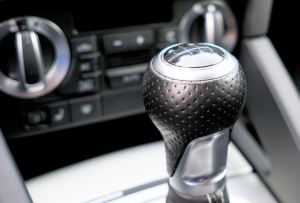
With proper care and maintenance, you can expect the transmission of your Toyota to last a good 300,000 miles. But if a transmission is completely neglected, it might fail in as little as 100,000 miles, and this is an expensive car part to replace. Alongside regular servicing, drivers also need to respond to signs of transmission trouble promptly. Let's take a look at a few indicators that you should visit your local Toyota dealer for transmission repair. Low Transmission Fluid Transmission fluid really is the lifeblood of your gearbox. As your gearbox transmits the power of the engine to your wheels, an enormous amount of friction and heat is generated. Both friction and heat are reduced by the lubricating, heat-dispersing qualities of high-quality transmission fluid. One reason the impressive power of a Toyota Land Cruiser's V-8 engine, for example, doesn't generate too much noise is that the fluid is doing its job. more Over time, all that heat and friction naturally wear the fluid down. This is why it's so important to have your transmission serviced periodically or to check transmission fluid levels yourself. If you ever find your fluid significantly diminished, don't hesitate to have it topped up or changed. It would help if you generally had your fluid changed every 30,000 to 60,000 miles for manual transmissions and every 60,000 to 100,000 miles for automatic vehicles. When Transmission Fluid Leaks One possible cause of inexplicably low levels of transmission fluid is a leak. Sometimes debris from the roads can crack or break transmission fluid lines under your car. Leaks can also originate from a damaged axle seal or torque pump. So if your fluid levels are surprisingly low, check under your car for puddles of pink, red, or brown liquid. Any leaks you find will need to be fixed by a technician right away. Discolored Fluid While checking your fluid, if you notice that it's dark brown in color and showing signs of thickening, then your fluid is too old to lubricate properly and needs to be replaced. New transmission fluid is light pink in hue and fades to red and then brown as it ages. Grinding Sounds From Beneath As transmission fluid ages, fills with debris from the gears, and lubricates less effectively, friction from the gears will start to generate grinding noises. Never ignore strained grinding sounds from below. They're often a sign that you need new fluid before any real damage is done. Slipping Gears Ineffective fluid not only reduces lubrication but also reduces hydraulic pressure. The result can be slipping gears, which you'll experience as higher RPMs and reduced acceleration. Various other problems in your gearbox can also cause gears to slip, such as rounded-out gears, torque converter faults, or solenoid trouble. How a Toyota Dealer Will Inspect Your Transmission After checking and refreshing your transmission fluid, a technician will run an engine diagnostic, which reveals any computerized detection of transmission faults. They'll then test drive your car, running your transmission through various tasks. If need be, they'll carry out a full transmission rebuild, which involves taking apart your transmission to examine everything and replacing any faulty parts.   Have your transmission inspected today by experienced professionals at DARCARS Toyota of Baltimore! With over 40 years of experience helping Toyota drivers, we pride ourselves on providing a consistently outstanding service, whatever your needs may be. Please get in contact with us today if you have any questions! We look forward to serving you.

Toyota Logo on White Car in Baltimore MD

Why You Should Order Toyota Parts Through a Certified Dealership

Toyota has a long history of creating top-of-the-line cars built to last, but all vehicles require routine maintenance and occasional repairs to keep them on the road as long as possible. When you need to replace auto parts, it can seem more accessible and less expensive to order them from an aftermarket seller rather than from the dealership. Here at DARCARS Toyota of Baltimore, we are here to give you six reasons why you should stick to buying genuine Toyota parts. Quality Assurance When you buy directly from Toyota, you know you're getting accurate, genuine, high-quality parts. An aftermarket seller might sell you a part that seems like the real deal, but there's no guarantee that it will last as long or keep your vehicle running as smoothly as the components that are specifically designed to fit your car. more Safety Parts made by aftermarket sellers often skimp on safety. Since OEM parts are made for exact Toyota models, you know the part you're buying will work correctly once you get it on the road. Toyota's auto parts also have advanced designs that are optimized to be as safe as possible. Reliability Our parts are guaranteed to do their jobs well and make your vehicle last. Independent manufacturers of car parts are often smaller and newer to the industry than a reputable car brand, so they're more liable to create defective parts or parts that won't be perfectly fitted to your vehicle. A non-genuine component can't ensure that your car runs smoothly and gets you where you need to go. Warranty-Backed Unlike parts from a genuine Toyota manufacturer, aftermarket parts don't always have a warranty. If you buy an aftermarket part and it stops working, you might have just wasted your money and increased the time it will take to get your vehicle back on the road. Ease We keep an extensive supply of replacement parts on hand at DARCARS Toyota of Baltimore. You can order parts online from us directly or contact us and speak to a local expert if you have any questions. We can find exactly what you need without the hassle of going through an aftermarket supplier. Value Installing aftermarket parts that don't come with an official Toyota quality assurance guarantee can bring down the value of your car and make it difficult to resell. If you plan to upgrade to a newer Toyota in the future, it pays to keep your current vehicle in the best condition possible.   Toyota has spent decades perfecting each piece that goes into creating high-quality cars that last a lifetime. If you want a long-lasting, reliable car, it's essential not to settle for second best. Whenever you need a replacement part, genuine Toyota accessories, or if you're interested in making some modifications to your car, truck or SUV, we are just a quick phone call at 410-844-6186 or drive away here in Baltimore, MD. We look forward to serving you soon.

Keep Car Warm in Baltimore MD

Tips for Keeping Your Car Warm During Winter in Maryland

Winters in Maryland can be brutally cold, and if you don't properly warm your car up, your commute can be downright unbearable. Fortunately, if you have a car garage, you can protect your vehicle from the cold weather; and even if you don't, you can use these tips for keeping your car as warm as possible. Park In a Garage This is the easiest way to keep your car warm when it's bitterly cold outside. A garage is usually a few degrees warmer than outside, which is enough to keep your vehicle warmer than it would be out in the elements. Plus, if it snows or it's cold enough to freeze, you won't have to worry about scraping the ice off your windshield and windows if you've kept it in a garage during the storm. more Cover the Windshield If you can't park your car in a garage or under cover of some sort, the next best option to keep your car warm is to cover the windshield with material that will prevent ice from building up on the glass. When ice accumulates on the windshield, it makes the car's interior colder. Plus, you'll have to scrape off the ice before you can drive anywhere. Use cardboard or cloth, or buy a windshield cover designed for this purpose. Engine Block Heater Most cars already have a built-in engine block heater, but some older models may not. Fortunately, you can get one installed at your service center, which can then help keep your car warm. This device heats the car's coolant, which then causes the engine to stay warm. The block heater comes with a cord that you can plug into a household outlet when it's predicted to be severely cold outside. This will make your car easy to start, too. Oil Pan Heater Another way to keep your car warm in the winter is to keep the engine oil warm. You can purchase an oil pan heater, which is then placed under the oil pan to warm the oil. When you start your car, this warm oil will flow through your engine, which is essential for making sure all your car's parts are well-lubricated during an icy stretch of weather. Electric Blanket If you don't have an engine block heater and don't want to buy an oil pan heater, you can use an electric blanket to keep your engine warm. You can place the blanket directly on the machine or on the car's hood, but be sure to remove it before you start the car. Plug the blanket into a wall socket and set it on high for a few hours.   If you're looking to winterize your car, get in touch with our service center at DARCARS Toyota of Baltimore, where we will make sure your vehicle runs at peak performance all season long.

Contact Us

Fill out this form below and we'll contact you shortly
*Required Fields