

DARCARS Toyota of Baltimore

Blog / Living in Maryland

Blog

All Living in Maryland Baltimore Toyota Dealer Learn About Toyota Models Tips & Tricks Baltimore Toyota Service Maintaining Your Toyota Toyota SUVs DARCARS Toyota of Baltimore Service Toyota Hybrid Toyota Trucks Hybrid Cars Baltimore MD Toyota Highlander Driving in Maryland Baltimore Used Cars Toyota Camry Toyota Corolla Toyota EVs Toyota RAV4 Toyota Tacoma Auto Financing in Baltimore MD Baltimore Toyota 4Runner Toyota All-Wheel Drive Toyota bZ4X Toyota Crown Toyota GR Corolla Toyota Highlander Hybrid Toyota Prius Toyota Sienna Toyota Tires Toyota Tundra Used Toyota Car First Aid Kit Car Maintenance Flat Tire Fuel Efficiency Oil Change Baltimore Road Trips Safety Tips Toyota 4-Wheel Drive Toyota 4WD Toyota Accessories Toyota Camry Hybrid Toyota Corolla Cross Toyota Corolla Cross Hybrid Toyota Corolla Hatchback Toyota Express Maintenance Toyota GR86 Toyota Grand Highlander Toyota Grand Highlander Hybrid Toyota Land Cruiser Toyota Maintenance Plans Toyota Nightshade Edition Toyota Prius Prime Toyota RAV4 Hybrid Toyota Sequoia Toyota Summer Services Toyota Sunroof Toyota Towing Capacity Toyota TRD Models Toyota Warranty Transmission Service Used Car Dealer Baltimore Winter Car Maintenance
Car Exhaust Pipe in Baltimore, MD

How Often Do You Need a Car Emissions Test in Baltimore, MD?

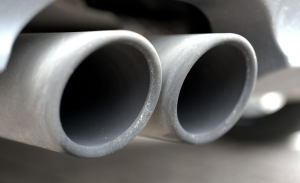
There are several different emissions tests, each of which is designed to test the level of dangerous chemicals emitted by your engine. If your car is found to emit more chemicals than it should, your car will need to be examined by technicians to correct the problem. Emissions tests are due every two years, and these tests coincide with your registration renewal. New cars and hybrid cars are not required to have an emissions test until the third year after their first registration. Certain other categories of cars are not subject to emissions testing due to age. Electric cars also do not undergo emissions testing as they produce no emissions regardless of age. What Do You Need for the Test? You need to book a test at one of the emissions testing centers in Maryland. These testing centers are certified by the Maryland Motor Vehicle Administration (MMVA). You'll need to take your driver's license, emission test notification letter, proof of insurance, and payment for the test. If you don't yet have your emissions test letter, you can take your registration renewal letter instead. more Types of Test There are several different tests, as mentioned above, but your car will only need to take one of them. These are the different tests and their requirements. Onboard Diagnostic Test This test applies to all vehicles from 1996 onwards that weigh up to 8,500 pounds. In this test, your car's computer is connected to the testing center's diagnostic system. This system interrogates your computer and then produces a printout of the level of emissions if any. Gas Cap Test This test is performed on vehicles manufactured between 1977 and 1985. It tests the gas cap to ensure that it fits securely, has effective seals, and can't leak gases from the fuel tank. Tailpipe Test This test also applies to vehicles made between 1977 and 1985, and it tests the level of emissions that exit the tailpipe when your engine is running. After the Test If you've passed the test, you'll be issued a Vehicle Emissions Inspection Program (VEIP) certificate. This certificate needs to be submitted with your registration renewal documents. The testing center will also upload a copy of the results to the MMVA. Now that you’re prepared with everything you need to know about car emissions tests, continue to benefit from more knowledge as a Maryland driver by reading similar blogs like “ How to Transfer Vehicle Ownership” or “ How Much is the Average Cost of Owning A Car?” today! Image by Pixabay
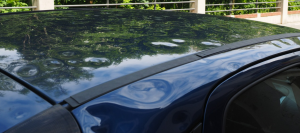
Dented Car in Baltimore, MD

What Should You Do If Your Toyota Gets Dented in Baltimore, MD?

All cars get dented sooner or later. But if you've bumped into something or someone else has knocked into you, leaving their mark, there's no need to despair. Car dents can sometimes be repaired at home using one of the following techniques. Of course, a technician at your local Toyota dealership can also sort it out for you. Suction Cup Dent Remover The easiest way to fix it yourself is with a specially designed suction cup kit. These tools come in different sizes for all different kinds of dents. They also come with instructions on how to prepare the bodywork, apply the suction cup tool, and yank the dented metal back out. more Sink or Toilet Plunger You might be surprised how often dents can be sorted out with a simple plunger for your sink or toilet. Either a cup or flange plunger can often do the job. First, pour boiling water over the dented area or heat it with a hairdryer, then apply the plunger and see if it pops back out. Boiling Water Dents commonly occur in plastic areas like the bumper. In this case, you might be able to soften the material with boiling water and then reach behind it and push the dent out with your hand.   The heat from the water causes the plastic material to expand and soften, allowing you to fix it. You might need to repeat the process a few times before your bumper looks good again. Please be very careful any time you use boiling water in this manner. Dry Ice When dealing with dents, it helps to remember that the material of your bodywork wants to spring back to its original shape. That's why dramatically altering the material's temperature can help it pop back out.   One way to do this is with dry ice, which works well for smaller, shallower dents. Make sure you're wearing protective gloves before you begin. Rub the dry ice against the dent until you hear the metal return to its true form. Hairdryer Your dent might have occurred in a place where you're able to apply pressure from the other side. In this case, use a hairdryer on maximum heat to warm up the affected area of bodywork. Then push from the other side. You can use a hairdryer to help prepare the dented material for any of the aforementioned techniques. Ask Your Toyota Dealer to Fix Your Car Dents If you're too busy to attempt the above DIY solutions, ask a technician to fix the dent for you. It's a small job that mechanics solve all day long, so it shouldn’t cost a lot of money. But having a professional fix it might save you a little time and hassle, and you know it'll be done right.   When you're ready to fix a dent yourself, we hope this blog comes in handy! Whether you're looking for more automotive tips or if you have a dent that will need special attention, visit us at DARCARS Toyota of Baltimore. Our auto repair shop will take care of the dents, so you don't have to! Schedule a service with us today!

Defensive driving in Baltimore, MD

4 Defensive Driving Tips for Baltimore, MD Drivers

Stay Alert Arguably the number one rule of driving defensively, alertness means paying close attention not only to your own driving but to the actions of drivers around you. You should also stay apprised of your environment for factors like adverse road conditions or bad weather. Driving defensively is primarily about anticipating a potentially dangerous situation and avoiding it. You can increase your alertness by staying free of distractions such as phones. You should keep your eyes primarily focused ahead and scan well up the road on which you are driving. more Follow Road Rules While you should not assume other drivers will do the same, your own driving will greatly improve if you remain consistent in obeying the rules of the road. This means adhering to all traffic signs and signals and keeping your speed within the posted limit. In addition, when you are merging onto a road, wait until a safe gap in traffic exists.   Another important road rule involves following distance. Keep at least three seconds between you and the vehicle ahead of you. This simple step is an effective anticipatory move that acknowledges you do not know if or when the front driver will suddenly stop. Toyota's Dynamic Radar Cruise Control—available on models from the Avalon to the RAV4—adapts your ride to maintain a safe following distance with the touch of a button. If you're a student driver, click here to learn more about the specific rules you should follow. It's All About Respect Staying respectful and courteous to other drivers and to the driving process itself will keep you out of many precarious situations. Even if another driver is not giving you the same courtesy, remain even-tempered and level-headed. Although it may be difficult in the moment, the best way to deal with an aggressive or disrespectful driver is to yield to them.   De-escalation is key in these cases. Understand that the other driver is actually, at that moment, in control of a very powerful and deadly weapon: their vehicle. If they aren't also in control of themselves, a lot of people could get hurt if you don't de-escalate. Knowledge Is Power As the adage goes, the best offense is a good defense. Traffic schools were made for this concept, and any driver can benefit from a course in driving defensively. Despite popular assumption, these classes are a benefit, not a punishment. They will teach you the fundamentals of driving defensively and provide invaluable aid. Maryland courses include information on road rules, accident prevention, and cooperation techniques.   We hope these tips from our blog at DARCARS Toyota of Baltimore help keep you safe on the roads. Whether you're looking for more driving & car tips or want to learn about new Toyota models, we have you covered!

Student driver in Baltimore, MD

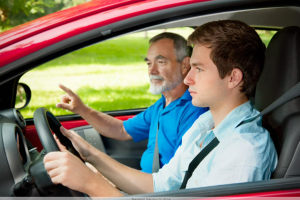
What Rules Do Student Drivers Have to Follow in Baltimore, MD?

Getting your driver's license is incredibly exciting, but if you live in Baltimore, MD, passing your test isn't the end of the road. Student drivers still have to complete specific requirements and keep their driving records clean for at least 18 months. Read on to find out more about the rules you have to follow if you've recently qualified for your provisional driver's license. Overview Once you've completed your driver skills test, you'll obtain your provisional license. During this stage, you can gain more driving experience without direct supervision, but you'll still have to follow a number of rules that are designed to protect you and those around you. If you fail to comply with the restrictions, you risk having your driver's license revoked, and it will be harder for you to get your full license in the future. more Restrictions The most important rule is that you must keep a clean driving record if you want to be eligible for a full driver's license. Anyone under the age of 21 can't have any measurable amount of alcohol in their blood while driving. Those who are still under 18 are not allowed to drive with children for the first 151 days unless they are close family members.   Additionally, young drivers must stay off the roads between 12 am and 5 am unless they are supervised by an experienced adult or going to or from work, an athletic event, a school activity, or a volunteer program. Anyone with a provisional license is not allowed to use wireless communication devices like cell phones while on the road-even hands-free devices-and they can't drive without a safety belt on. Sanctions Failing to comply with the above-named rules or the traffic laws has serious consequences for your future as a driver. If you break the law, your provisional license will restart, and the time it takes for you to get a full license is extended. What's more, you will have to attend a driver improvement program, and there might be a suspension if it's your second or third offense.   If you disregard one of the restrictions, you might have your license suspended for up to one year, or you might have to participate in an ignition interlock program. The guardians or co-signers of under-18s can also be notified of violations. Getting Your Full License When you've maintained a clean driving record for at least 18 months, you become eligible for a full driver's license. This happens automatically, and you don't have to do any additional tests or fill in applications. Instead, an attachment card will simply be mailed to you, which you can carry around with your provisional license. When you next renew, you can convert to a full license.   After you've passed your driving test, you'll hold a provisional license for at least 18 months. During this time, you have to comply with certain rules and regulations and keep a clean record. If you're under 18, there are some additional rules, and you won't be able to drive at night unless it's for a specific reason like school or work.   If you know someone getting their driver’s license soon, help them shop for a new car from your trusted Toyota dealership in Baltimore, MD! Want to learn more helpful tips & tricks for driving in Maryland? Our DARCARS Toyota of Baltimore blog has you covered!

Car Collision in Baltimore, MD

What Should You Do If You Get Into a Collision in Maryland?

A car collision is nothing to wish for but something you must be prepared for. Here are the five steps you need to follow if you happen to be at the scene of an accident in Baltimore, MD, including what you need to do for the collision repair process. Check Yourself and Others for Injuries The very first thing you have to do is check yourself for injuries. Make sure you're okay and able to help others. Then, check on your passengers. Hopefully, nobody will be seriously injured. If you suffered severe trauma or any other injury, stay still and call the emergency services immediately. If anyone else is seriously injured, don't move them unless it's indispensable. Moving an injured person can do more harm than good! more Get to a Safe Spot If it's not too dangerous to move, walk to the sidewalk or side of the road. Moving your vehicle too (if possible) is a good idea – otherwise, it could pose a safety risk. Nevertheless, your safety and the safety of your passengers come first. Moving your vehicle is a distant second: make sure you're away from harm before figuring out what to do with your car. Call 911 (Legal Requirement in Baltimore, MD) Maryland state law requires you to call 911 if an accident results in property damage, injury, or death. More likely than not, the collision you just went through resulted in any of these things (hopefully, nothing too serious). Move to a safe spot and call 911 to report the accident. After that, wait until the authorities arrive. If you feel your life is in danger, be explicit about it when you call. Document Everything for the Collision Repair Process Although an accident is far from a pleasant experience, you must keep calm and document everything. That includes writing the names of the responding officers, taking pictures of the accident, talking to witnesses, and exchanging information with other parties involved (including full name, insurance information, and car description). Before doing that, try to move your car somewhere safe and turn the hazard lights on. Contact Your Insurance Company Notifying your insurance broker while at the scene of the accident is a good idea. That way, they will tell you what they need to file your claim correctly and help you through the entire process. Your insurance company can help you deal with towing too. Nevertheless, if you suffered a severe injury, it's better to leave this part for later.   We hope this blog from DARCARS Toyota of Baltimore comes in good use anytime you might need it. Lastly, in the case of an accident, you can rely on our local collision repair center in Baltimore, MD, to repair your car back to good condition.

Car Break Down in Baltimore, MD

What Should You Do if Your Car Breaks Down in Baltimore, MD?

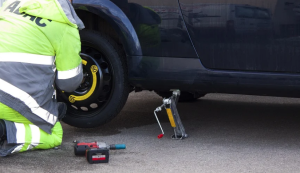
We know you take care of your Toyota Corolla, Camry, or RAV4, but when the unforeseen happens and your car breaks down on the roads in and around Baltimore, MD, don't stress. Use the car breakdown tips below to keep yourself and your vehicle safe. Turn On Your Hazard Lights and Get Your Car off the Road If you've got car trouble on the road, you should first turn on your hazard lights. If you can still drive your car, immediately look for a safe place and pull over. Park on the right-hand shoulder as far away from the traffic as you can. You can also pull over on your left shoulder if you break down on a highway or interstate. Please make sure you don't turn off your hazard lights and ensure they stay on until help arrives. more Make Your Vehicle Visible to Other Drivers Your broken-down car doesn't just put you at risk but also other drivers. You want to make sure that your vehicle is visible. If your car is safely on the shoulder, open your hood to let other drivers know you have car trouble. Place your reflective warning triangle approximately ten feet directly behind your car.   To take extra precautions and make your vehicle even more visible, put one triangle behind the right side of your car and one about 100 feet away in line with the middle of your vehicle. If you can't get your car off the road, hang a brightly colored piece of fabric out of your window and if it's after dark, turn on your cabin light. Make a Note of Your Surroundings Now that you've made sure your car is visible, find out exactly where you are. If you've got a pen and paper handy, write down the street name and any road signs or landmarks you can see to make it easy to find your car. If you're on a highway, write down the mile marker or the last exit number. Call for Roadside Assistance Call your dealership for roadside assistance when you are sure that your car is clearly visible to other drivers and you know exactly where you are. If your vehicle is standing safely on the shoulder, it's best to stay in your car and to keep the doors locked until help arrives. If your car broke down on the road and you can't move it, especially on a highway or interstate, exit your vehicle carefully, check for traffic, and wait on the shoulder.   Avoid getting stranded next to the road by keeping your Toyota in top shape. To ensure your Toyota won't let you down, schedule a service appointment with our DARCARS Service Center. The qualified Toyota technicians will ensure your vehicle is in top running condition and that it will help you get to your destination. Want to learn more about maintaining your Toyota? We have you covered!

Person texting and driving in Baltimore, MD

3 Bad Driving Habits To Avoid in Baltimore, MD

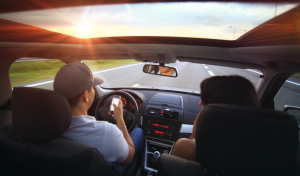
Baltimore, MD, has over 600,000 people and over 140,000 others commuting into the city every day. Many of the people in our city will be driving, and this makes it very important to be careful when you're driving. Bad driving habits, with so many drivers and pedestrians around, can easily lead to an accident. To keep you safe, these are some bad habits to avoid when you're driving. Distracted Driving It's very easy to become distracted, especially if you're stuck in slow-moving traffic or you're driving a route you're very familiar with. This familiarity tends to make one's mind wander onto other things. The danger of being distracted means that you're not concentrating on the road ahead. A car ahead, for example, may suddenly slow down, or a pedestrian may step off the sidewalk. If you're distracted, you may not see either of these scenarios in time. more As a driver, one of the most important things to be aware of is the area around you as you move. When you're focusing on the vehicles and people around you, you’ll be better able to prevent an accident and keep yourself and your car safe. Tailgating Tailgating is a very dangerous practice, and it involves following the car in front of you as closely as possible. There are many reasons why drivers tailgate, including anger at the slower pace of the vehicle ahead, being in a hurry to get somewhere, or even being distracted and not paying attention to distance. Regardless of the reason, tailgating can very easily cause an accident.   If the vehicle ahead slows down or stops, it's vital to have time to slow down yourself. A collision is likely when there isn't enough distance between your car and the vehicle ahead. If you rear-end a car in front of you, you will likely face three serious problems. Your vehicle will be damaged and need repairs, the driver ahead of you may sue you for damages, and you may receive a ticket for tailgating. Driving With Your High Beams High beams are essential for safe driving in low light conditions when you can't see the road ahead. They can, however, cause an accident if drivers are coming toward you or if people step into the street. Some drivers can forget to switch their high beams to low beams, and other drivers, unfortunately, will deliberately keep their high beams on.   If you're driving toward a vehicle with high beams, you'll notice how difficult it is to see what's coming toward you. You won't be able to judge the size and distance away of the vehicle ahead of you, and this can result in an accident. We advise that your high beams always be turned down if other cars are ahead of you.   It's easy, unfortunately, to slide into bad habits when driving. When you're aware of bad habits, it becomes easy to avoid them. If you're interested in a new Toyota car with the latest safety features, we suggest checking out the 2022 Toyota Camry Hybrid today. Or perhaps click here if you'd like to read more helpful driving advice from our Baltimore, MD dealership.

Person holding keys to a car in Baltimore, MD

How Do You Transfer Vehicle Ownership in Baltimore, MD?

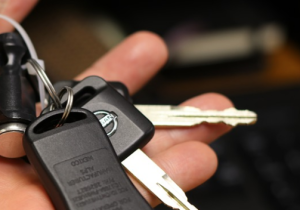
The Maryland Motor Vehicle Administration (MMVA) has a procedure for transferring car ownership. This procedure varies slightly in documentation, depending on the type of transfer you would like. The options include buying a new vehicle, buying a pre-owned vehicle, gifting a vehicle, or giving a vehicle to a family member. As your dealership in Baltimore, MD, we'd like to tell you how to transfer vehicle ownership. Transfer When Buying a New Vehicle When you buy a new car from us, for example, a sporty, fuel-efficient Toyota Corolla, we will help you with all the paperwork. We have the Maryland Certificate of Title for your car, and we'll complete, date, and sign the section as the seller. You complete, date, and sign the relevant section as the buyer. You will need insurance, and we'll give you all your new car's details so you can arrange it. more We'll provide the Bill of Sale and a completed Odometer Disclosure Statement. If you arrange a finance plan through us, we'll complete a VR-217 Notice of Security Interest Filing form. When you give us the proof of your insurance, we'll add it to the other documents and send the pack to the MMVA. They will post you a new Certificate of Title in about eight weeks. Transfer When Buying a Pre-Owned Car If you buy a pre-owned car, for example, a comfortable, spacious 2020 Toyota RAV4, the paperwork is similar, but there are a few additional documents we'll need to compete together. The Certificate of Title transfer, Odometer Disclosure Statement, Bill of Sale, and Notice of Security Interest Filing will all be completed as above. You will also need to arrange insurance for the vehicle. We'll complete a Certificate of Vehicle Inspection to confirm that your vehicle has been inspected and is fully compliant to drive in Maryland. We'll arrange a Vehicle Emissions Inspection Program test (VEIP) to certify that the vehicle complies with the reduced emissions requirements for our county. Transfer by Gifting Gifting is transferring a vehicle to another non-family party for no charge. If you are receiving the vehicle, all of the documents that are completed for buying a pre-owned car are required, including the VEIP. The present owner will complete the form as the seller, and the sales price will be marked as a "gift". When you take the forms to the MMVA office, you'll be required to pay the 6% excise tax on the car's value. Transfer to a Family Member This procedure is similar to gifting a vehicle, except the transfer is between related members of a family. Due to the inter-family transfer, the MMVA doesn't charge the 6% excise tax on the car's value. You will also be able, in certain instances, to transfer the license plates with the vehicle.   As you see, we can help you with the paperwork for a new or pre-owned vehicle. Come visit us at DARCARS Toyota of Baltimore today! We will have the perfect car waiting for you.

Driving at night in Baltimore, MD

Tips for Driving Safely at Night on Baltimore, MD Roads

Driving at night in Baltimore, MD is no less dangerous than daytime driving, despite potentially fewer cars on the road. Night driving has its own unique set of challenges that drivers must overcome to maximize their safety. Here are some tips that will help keep you and your passengers away from harm. Fight Drowsiness When you've been up all day and then continue to drive well into the night, your fatigue increases, which can often cause a loss in the ability to concentrate on the road. You can keep yourself alert and awake by drinking a caffeinated beverage, rolling down the windows to let the wind hit your face, or getting some quick rest after you pull off from the road. Turning up the volume on some energetic music or loudly talking to yourself may also help stave off sleepiness. more If you find yourself nodding off at the wheel, it's best to realize it's not worth the risk to continue driving. You can always get some sleep at a nearby motel or rest stop. Keep on the Lookout for Impaired Drivers Unfortunately, as the sun sets, there's a higher chance of impaired drivers on the road. Luckily, there are easy ways to spot someone driving under the influence. The impaired driver will often swerve and brake erratically or drift out of their lane. They also tend to react slowly to traffic lights and signs or even neglect to turn on their headlights. If you spot an impaired driver, then make sure to keep a safe distance behind them and take an alternative route if you can. You can also take note of the driver's license plate and contact law enforcement to handle the matter, but only if you're confident that it's safe to do so. Drive at a Slower Speed Low light means low visibility, which takes away from available time to react in an emergency, especially if you're speeding. If you're feeling tired, your reaction time will also be slower. By slowing down your speed at night, you'll give yourself valuable time to avoid a potential collision. Maintain Good Visibility Ensuring maximum visibility from your driver's seat is a big help when the streets lack sufficient illumination at night. You can do this by checking your headlights to see that they're functioning correctly. Dirty windshields can increase glare and disorient you by scattering light, so keep it clean and clear before heading out. You'll also want to readjust your rear-view mirror to reduce the reflection of harsh light from vehicles behind you. Make Proper Use of Your High Beams By using your high beams to light up incredibly dark roads, you can significantly increase the distance that you're able to see. However, you'll want to avoid becoming a hazard to other drivers by turning them off when following another vehicle or when you're 500 feet or fewer away from an oncoming vehicle. Many modern cars feature an automatic high beam system that will flick on and shut off when appropriate.   At DARCARS Toyota of Baltimore, we're your local source for all things auto safety. Our service technicians are available to run safety inspections to ensure your vehicle is equipped for driving at night. Schedule your service appointment with us now; we look forward to serving you soon!

Icy Road Safety in Baltimore, MD

Tips for Safely Navigating Icy and Wet Roads in Baltimore

Navigating wet and icy roads can be tricky and dangerous, so it's always best to avoid doing so whenever possible. Sometimes it can't be avoided, so we're going to look at ways to navigate the inclement weather that often hits Baltimore when staying home is not an option. Slow Down The most important thing you can do to drive safely in wet or icy conditions is slow down. Driving ten to fifteen miles under the speed limit in bad weather and slowing down more than usual when turning, will help keep you safer on your commute. Driving slower will not only help your car's tires keep traction but will also give you more time to react to unexpected events. more Avoid Rapid Acceleration and Deceleration When accelerating or decelerating, do so carefully. Rapid changes in speed are more likely to lead to skidding or hydroplaning. Brake slowly, and never slam on your brakes. Stay Further Behind Traffic To account for slower braking, stay further behind the vehicle in front of you than normal. This will also help prevent accidents due to the lead car skidding or braking suddenly. Avoid Climbing Hills If possible, try to avoid hilly routes. If you must drive on a hill, do not try to apply extra gas to climb it. Instead, gather your speed before reaching the hill and use that inertia to climb. Once climbing, don't stop on the hill or you risk rolling back down. Reduce your speed once you reach the top. Descend Hills Slowly If you must travel down a wet or icy hill, do so as slowly as possible. Braking on a decline can lock the wheels, even if you have antilock brakes. Do not apply your brakes until necessary, and never turn while braking or accelerating on a wet or icy hill. If your tires begin to slide, ease off your brakes and steer carefully in the direction you want to turn while gently accelerating. Turn On Your Headlights Always turn on your headlights when it is raining or snowing. Not only will this increase your visibility, but it will also make it easier for other vehicles to see you. Ease Off the Gas If You Hydroplane Don't apply the brakes if you find yourself hydroplaning on a wet road. Instead, ease carefully off the gas and steer gently in the direction you want the front of your car to go. Check your Equipment Always check your car's equipment before you drive in inclement weather. Be sure your headlights, taillights, and windshield wipers are in working order and that your brakes are in good condition. Never drive on bald tires, especially in bad weather, considering you need strong traction on slick roads. Wet and icy conditions make driving hazardous, but taking things slowly and paying close attention to your surroundings will help you stay safe.   If you wish to get your vehicle and tires inspected for safety, we have you covered at DARCARS Toyota of Baltimore. Schedule your automotive service online today!

Finance a Car in Baltimore MD

How to Finance Your New Toyota in Baltimore, MD

Buying a new car is an exciting process, but it can also be daunting if you have to figure out how to finance it. Fortunately, there are some basics to car financing that will help you get the keys to your new Toyota. Check Your Credit Score The first step you need to take toward financing a car is to check your credit score since this score will determine what kind of loan you can get and how low your interest rate will be. As with financing most things, the better your credit score is, the lower your interest rate will be. If your credit rating is abysmal, you may not qualify for a loan, or if you do, your interest rate will be extremely high. more Plan Your Budget First, we recommend going over your budget carefully to determine how much you can afford each month. This is essential to enjoying the ownership of your new vehicle. When you have a car that aligns well with you financially, you will eliminate stress and buyer's remorse. Lastly, don't forget to factor in other auto costs such as maintenance, insurance, and registration when calculating your budget. Will You Buy or Lease? You have two options when getting a new car. You can buy it through monthly payments, or you can lease it for a term before turning it back in later. When you lease, you'll have to be mindful of how much you drive because if you go over the allotted mileage (usually 36,000 or 48,000 miles) before your term expires, you'll be charged a per-mile fee for every extra mile. However, your monthly payments can be lower on a lease. Leases are usually for three-year terms, at which time you'll need to turn the car back into the dealership. At that point, you can lease a different Toyota, convert your lease to purchase or purchase an additional new or used car. Click here to learn more about end-of-lease options at our Toyota dealership in Baltimore. Research Finance Options If you have good credit, your best finance option, at least initially, maybe through the dealership. However, you should also consult your bank or credit union to get rates to compare. If you go through a third party, be sure to get pre-approved for a loan amount so you know how much you can spend, and bring your pre-approval letter to the dealership with you.   Getting financed for a new car is not difficult, but it does take some effort to ensure you're making the right financial decisions for your unique needs. However, at DARCARS Toyota of Baltimore, our finance team is dedicated to cutting out the stresses of financing a new car. Get in contact with us today to learn about all of the ways we can help!

Keep Car Warm in Baltimore MD

Tips for Keeping Your Car Warm During Winter in Maryland

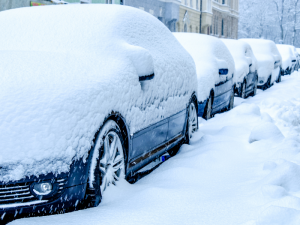
Winters in Maryland can be brutally cold, and if you don't properly warm your car up, your commute can be downright unbearable. Fortunately, if you have a car garage, you can protect your vehicle from the cold weather; and even if you don't, you can use these tips for keeping your car as warm as possible. Park In a Garage This is the easiest way to keep your car warm when it's bitterly cold outside. A garage is usually a few degrees warmer than outside, which is enough to keep your vehicle warmer than it would be out in the elements. Plus, if it snows or it's cold enough to freeze, you won't have to worry about scraping the ice off your windshield and windows if you've kept it in a garage during the storm. more Cover the Windshield If you can't park your car in a garage or under cover of some sort, the next best option to keep your car warm is to cover the windshield with material that will prevent ice from building up on the glass. When ice accumulates on the windshield, it makes the car's interior colder. Plus, you'll have to scrape off the ice before you can drive anywhere. Use cardboard or cloth, or buy a windshield cover designed for this purpose. Engine Block Heater Most cars already have a built-in engine block heater, but some older models may not. Fortunately, you can get one installed at your service center, which can then help keep your car warm. This device heats the car's coolant, which then causes the engine to stay warm. The block heater comes with a cord that you can plug into a household outlet when it's predicted to be severely cold outside. This will make your car easy to start, too. Oil Pan Heater Another way to keep your car warm in the winter is to keep the engine oil warm. You can purchase an oil pan heater, which is then placed under the oil pan to warm the oil. When you start your car, this warm oil will flow through your engine, which is essential for making sure all your car's parts are well-lubricated during an icy stretch of weather. Electric Blanket If you don't have an engine block heater and don't want to buy an oil pan heater, you can use an electric blanket to keep your engine warm. You can place the blanket directly on the machine or on the car's hood, but be sure to remove it before you start the car. Plug the blanket into a wall socket and set it on high for a few hours.   If you're looking to winterize your car, get in touch with our service center at DARCARS Toyota of Baltimore, where we will make sure your vehicle runs at peak performance all season long.

Contact Us

Fill out this form below and we'll contact you shortly
*Required Fields