

DARCARS Toyota of Baltimore

Blog / Maintaining Your Toyota

Blog

All Maintaining Your Toyota Baltimore Toyota Dealer Learn About Toyota Models Tips & Tricks Baltimore Toyota Service Living in Maryland Toyota SUVs DARCARS Toyota of Baltimore Service Toyota Hybrid Toyota Trucks Hybrid Cars Baltimore MD Toyota Highlander Driving in Maryland Baltimore Used Cars Toyota Camry Toyota Corolla Toyota EVs Toyota RAV4 Toyota Tacoma Auto Financing in Baltimore MD Baltimore Toyota 4Runner Toyota All-Wheel Drive Toyota bZ4X Toyota Crown Toyota GR Corolla Toyota Highlander Hybrid Toyota Prius Toyota Sienna Toyota Tires Toyota Tundra Used Toyota Car First Aid Kit Car Maintenance Flat Tire Fuel Efficiency Oil Change Baltimore Road Trips Safety Tips Toyota 4-Wheel Drive Toyota 4WD Toyota Accessories Toyota Camry Hybrid Toyota Corolla Cross Toyota Corolla Cross Hybrid Toyota Corolla Hatchback Toyota Express Maintenance Toyota GR86 Toyota Grand Highlander Toyota Grand Highlander Hybrid Toyota Land Cruiser Toyota Maintenance Plans Toyota Nightshade Edition Toyota Prius Prime Toyota RAV4 Hybrid Toyota Sequoia Toyota Summer Services Toyota Sunroof Toyota Towing Capacity Toyota TRD Models Toyota Warranty Transmission Service Used Car Dealer Baltimore Winter Car Maintenance
Toyota Express Maintenance Baltimore, MD

What Is Toyota Express Maintenance?

Maintaining your vehicle has never been easier or more convenient than with Toyota Express Maintenance (TXM). The Toyota-trained technicians provide affordable and speedy top-quality services to help you keep your vehicle performing at its best and a pleasure to drive. Convenient, Fast, and Expert TXM Services When your vehicle requires factory-scheduled maintenance or minor repairs, there is only one place you can rely on to provide you with the best, fastest, top-quality service. Your Toyota dealer offers a range of competitively priced TXM services performed by experienced Toyota-trained technicians to get you back on the road quickly. With a pit crew-inspired approach, your vehicle will receive a fast and reliable service at a time that suits your busy schedule. The services TXM technicians provide include the following: more Multi-Point Inspection Routine inspections are paramount to keep your Toyota running at its best. The Toyota-trained technicians will perform a multi-point inspection, which includes a fluid check and a visual assessment of all the critical vehicle systems to determine the overall condition of your Toyota and the maintenance required. Oil and Filter Change Proper engine lubrication is essential to help reduce friction and heat and ensure your engine performs optimally. During your Toyota oil change, the technicians will change the old oil with the proper oil type for your engine, replace the oil filter, and reset the maintenance indicator. Complimentary Fluid Inspection and Top-Off An inspection of all the essential fluids in your vehicle will be performed, including brake, coolant, power steering, transmission, and windshield washer fluid. If any of these fluids require topping off, the technician will do so at no extra charge. Brake Inspection Keeping your vehicle's brakes in good condition is essential for your safety. Your brakes will be inspected, and the brake pad thickness will be measured to determine if a brake pad replacement is necessary. Tire Rotation Regular tire rotations ensure your tires wear evenly and last longer. It also improves your vehicle's fuel economy and handling performance. After the technicians rotate all four tires, they will reset your vehicle's Tire Pressure Monitor System. Additional TXM Services Besides regular scheduled maintenance, there are many other speedy services to keep your vehicle in great shape, including tire repair, mounting and balancing, four-wheel alignment, minor brake service, drain and refill, and belt and hose replacements. Toyota Genuine Parts When your vehicle needs replacement parts for minor repairs, the certified technicians at your Toyota dealer only install Toyota genuine parts during a repair. Toyota genuine parts are precision-engineered to maintain your vehicle's superior performance. Find Toyota Express Maintenance in Baltimore, MD Here! When it comes to maintaining your Toyota, depend on the experts who know your vehicle and can provide you with the best quality service done fast and right. Stop at DARCARS Toyota of Baltimore today for a quick and reliable express service and ensure your Toyota is in excellent running condition.

Toyota Service in Baltimore, Maryland

What Are Available Toyota Maintenance Plans?

Toyota drivers can benefit from one of three convenient Toyota maintenance plans. The ToyotaCare plan is complimentary with all new Toyota vehicle purchases and lasts for two years, after which eligible drivers can opt for the excellent four-year ToyotaCare Plus plan. Once these two initial plans are no longer an option, any Toyota driver can sign up for the very popular Toyota Service Care plan. Toyota Maintenance Plans Explained ToyotaCare: Free Plan with New Car Purchases When you purchase a new Toyota vehicle, you can enjoy the benefits of the ToyotaCare plan, which provides routine maintenance for the first two years or until you reach 25,000 miles, whichever comes first. You also have access to Toyota's terrific 24-hour roadside assistance services for the full two years. more ToyotaCare Plus: Four-Year Plan Once your ToyotaCare plan finishes, you may have the option to sign up for ToyotaCare Plus. This plan provides routine maintenance for four years or 45,000 miles, whichever limit is reached first. With ToyotaCare Plus, you also get 24-hour roadside assistance for the full four years. ToyotaCare Plus is available at a very convenient price, which you can find out at your local Toyota dealership. To be eligible for ToyotaCare Plus, your car must have less than 31,000 miles on the odometer and be within 37 months (three years and one month) of the date of first use. Toyota Service Care: Renewable Two-Year Plan When you've owned your Toyota for more than 37 months or 31,000 miles of driving, or if you're purchasing a pre-owned Toyota that has already exceeded these limits, you may opt for the Toyota Service Care plan. With Toyota Service Care, you have both routine maintenance coverage and 24-hour roadside assistance for a full two years with unlimited miles. Toyota Service Care is a competitively priced prepaid maintenance program. You can also renew your Toyota Service Care plan as many times as you like, which makes it a very convenient way to keep your car in top-notch condition over the long run. Maintenance Services Provided Each of the three plans includes all the essential factory-scheduled routine maintenance services. This includes changing the oil and oil filter, rotating the tires, inspecting and adjusting fluid levels, various multipoint inspections, and reminders for all your scheduled maintenance. Roadside Assistance Provided All three plans also provide the same high-quality 24-hour roadside assistance. These roadside services include battery jump-starts, emergency fuel deliveries, lockout services, tire changes using the spare tire with your vehicle, winching services for stuck vehicles, and emergency towing to a nearby Toyota dealership. Learn More About Toyota Maintenance Plans in Baltimore, Maryland Find out which of the three maintenance plans you're eligible for today at DARCARS Toyota of Baltimore. We're a trusted local Toyota dealership with friendly, knowledgeable staff on hand to provide a hassle-free vehicle-purchasing experience and quick, professional maintenance and repair services.

AC Service Baltimore, MD

What Services Does My Toyota Need This Summer?

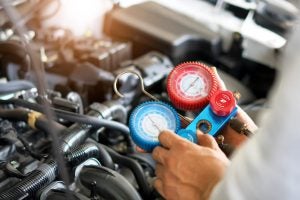
Summer car maintenance is crucial when high temperatures, dust, and unexpected downpours take a toll on your car's most critical systems. With an expert Toyota service, you will ensure that your RAV4, Corolla, or Tacoma is ready to navigate the season with ease and reliability. Toyota Service and Summer Car Maintenance: What Services Does My Toyota Need This Summer? Oil and Filter Change If you haven't changed your car's oil and filter regularly, remember to include it in your vehicle’s summer maintenance. Your car’s engine components need lubrication to run smoothly and a new filter to capture dirt, debris, and metal fragments to keep them away from the engine. High temperatures can cause older oil to deteriorate, leaving deposits on the engine, resulting in sludge that will prevent proper engine lubrication and cooling. more Fluid Check The fluids your car uses are there for lubrication and cooling. Heat can cause fluids to thin and evaporate, affecting fluid levels. Low levels can lead to overheating and component damage. Ask your Toyota technician to check all the coolant, brake, transmission, and power steering fluid, top them off if necessary, and replace any if they appear contaminated. Battery Test One of the primary reasons behind battery failure is the scorching heat of summer. High temperatures can play havoc with your battery by speeding up internal fluid evaporation, oxidizing components, and shortening the battery's lifespan. Your Toyota technician will perform a thorough battery inspection and a test to determine the battery's condition and if a replacement is necessary to help ensure that you have an optimal working car battery. Air Conditioning Maintenance Cool air can make a big difference on a hot summer's day. It's frustrating when you're stuck in traffic in the heat, and your car's air conditioning starts to not work properly. Air conditioning systems are complicated, so schedule an air conditioning maintenance service to ensure yours work correctly for when the high temperatures hit. The Toyota technician will inspect the air condition system and check the refrigerant to ensure your ac works when you need it most. Windshield Wiper Blade Replacement Winter's ice and snow can be tough on windshield wiper blades. If you want your windshield wipers to work effectively during summer's unexpected cloud bursts and intense thunderstorms, replace the blades to prevent windshield streaks and ensure proper visibility, especially at night. Tire Inspection, Rotation, and Inflation Tires lose or gain pressure depending on the temperature. In hot temperatures, when tires expand, you have to prevent the heat from damaging your vehicle’s tires. Keep an eye on the tire pressure and inflate your tires to the recommended PSI to avoid premature wear and improve your gas mileage. Ask your Toyota technician to check each tire for damage, rotate them to promote even wear, and inflate them to the proper pressure levels. Get Your Toyota Summer Service Scheduled in Baltimore, Maryland Get your Toyota checked by a qualified Toyota technician to make sure your car is in excellent condition to withstand the summer heat. Make summer car care a breeze and call DARCARS Toyota of Baltimore today for an expert summer maintenance service.

Transmission Service Baltimore, MD

Driving in MD: What's Involved in Routine Transmission Service?

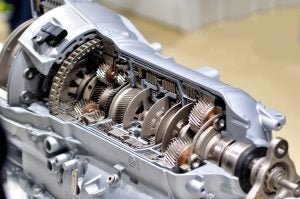
If your transmission ever starts to malfunction, the engine will no longer be able to transmit power to the wheels, and your car will soon grind to a halt. Routine transmission service can help keep your gearbox problem-free and working smoothly. While servicing your car's transmission, a technician at your local dealership in Baltimore, MD will usually carry out the following tasks. What Does It Mean to Get a Transmission Service? Flushing the Transmission Fluid The transmission fluid plays a crucial role in lubricating the myriad moving parts inside your gearbox. This fluid also keeps the temperature down, combats any corrosion, maintains hydraulic pressure, and even helps wash metal fragments and other debris away from the gears. more But over time, transmission fluid inevitably begins to degrade and thicken, losing its ability to function properly. This is why it's so important to periodically have your transmission fluid flushed and replaced. While servicing your transmission, the technician will always check the level and condition of your transmission fluid and then refresh it if necessary. Replacing the Filter The constant friction of gears and bushings inside a transmission creates minuscule metal fragments that need to be washed out of the gears. As transmission fluid flows around the system, it carries all such debris away from the gears to the fluid filter. But if the filter becomes full to overflowing, the debris may start making its way back into the gears where it may begin to cause damage. It's therefore important to replace the filter whenever it becomes full, which will happen during most transmission servicing visits. Inspecting the Pan Gasket The pan gasket is a slender rubber seal that prevents transmission fluid from leaking out of the transmission pan. Over time, the pan gasket can wear down and develop cracks that might allow a leak to develop. If the technician finds any signs of damage in the pan gasket, they'll remove and replace it at once. Checking for Fluid Leaks A transmission fluid leak can rapidly cause a great deal of damage to the planetary gear system and other internal gearbox parts. Apart from the pan gasket, transmission fluid can also sometimes leak from a bent transmission pan, a leaking drain plug, or damaged fluid lines. Cracked seals and a faulty torque converter might also cause a transmission fluid leak. The technician will search for potential leaks with care and repair any he finds. Cleaning the Undercarriage The underside of your transmission can build up a great deal of grime and dirt from the road. While checking for leaks, the technician will also often thoroughly clean this area of your undercarriage. How Often to Have Your Gearbox Serviced in Baltimore, MD As a general rule of thumb, most drivers should have their transmission inspected every 30,000 miles or every two years. If you drive in more extreme conditions, such as excessively hot, cold, or dusty climates, consider having your car's gearbox serviced more often. Visit DARCARS Toyota of Baltimore today to have your transmission inspected and serviced by experienced professionals. We're a sizable local dealership with a great range of cars and great customer service. If you need transmission repair in Baltimore, we’ve got you covered!

Oil Change Service Baltimore, MD

Toyota Oil Change Frequently Asked Questions

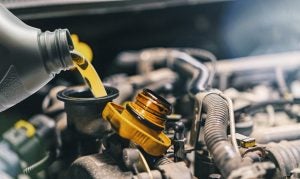
Motor oil really is the lifeblood of your engine. It absorbs the heat of the friction from the moving parts, so if you want to keep your engine healthy you need to make sure that it's always clean and working effectively. Here's what you need to know about an oil change in Baltimore, MD. Driving in Baltimore, MD: Everything You Need to Know About an Oil Change What Sort of Oil is Best? There are three types of oil that you can choose for your engine. Conventional motor oil is refined crude oil, and it can be mixed with a synthetic-based oil to produce a synthetic blend. However, Toyota recommends that owners use genuine Toyota synthetic oil, a high-quality base oil with a unique blend of additives and synthetic esters. Synthetic oil is specially formulated to protect your engine from extreme temperatures and to reduce wear and tear. It also needs to be changed less frequently, so you'll be helping your car and your wallet. more How Often Should Oil Be Changed? The recommendation for an oil replacement used to be every three months or 3,000 miles. However, because synthetic oil lasts longer, it's now possible to leave longer intervals between changes. You can include it as part of your regular maintenance check every six months or 5,000 miles. But it should definitely be completed at least once a year or every 10,000 miles. The needs of your car may vary according to its age. And always make sure that you check your owner's manual for the specific recommendation for your make and model, as it could have an impact on your warranty. How Often Should I Check the Oil? It's a good idea to check your engine oil once a month and before any long journey or trip. Remove the dipstick, wipe it clear of residue, replace and remove it again to check the level of the oil. It's a good idea to check the appearance of the oil, as well. It should be a translucent amber color. If it is black or dark brown then it's dirty and won't work as effectively. What Happens When the Oil Is Changed? A change of oil is exactly what it sounds like. The old used oil is drained completely and replaced with the correct levels of the best oil to suit your vehicle's needs. The oil filter will also be replaced. Need to Schedule a Toyota Oil Change in Baltimore, MD? Failing to change the oil can lead to overheating, sticking piston rings, and a shorter engine life, so it's one of the most important aspects of your car's maintenance schedule. If it's time for your car to receive an oil change, schedule a service at DARCARS Toyota of Baltimore, and let our experienced technicians ensure that your vehicle has everything it needs.

Getting Tire Rotation Baltimore, MD

How Often Should You Get a Tire Rotation in Baltimore, MD?

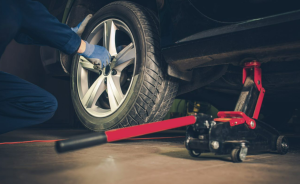
The roads of Baltimore, MD are well-kept and safe, with very few potholes or debris to threaten your tires. But even well-maintained tires on smooth roads can run into trouble if you fail to rotate them. Let's take a look at how often you take your car in for regular tire rotation and why it's so important. Every 5,000 to 7,500 Miles It's generally recommended for Toyota drivers to have their tires rotated every 5,000 to 7,500 miles. This is usually twice per year, so you could get them rotated every time you have an oil change. Your owner's manual will have a recommended interval for rotation. It's best to check what Toyota suggests for your particular model. more Keep Your Warranties Valid With Regular Rotation Most drivers want to keep their vehicle warranties valid. Even as unlikely as you are ever to need your warranty in a Toyota, it's always nice to have for peace of mind. So check how often your warranty stipulates rotation to stay valid. Then stick to that schedule. Depending on the kind of tires you're using, you might be more likely to need your tire warranty one day. Most tire warranties require service records showing that you've been having your tires rotated periodically in accordance with the manufacturer's recommendation. Rotate If Your Tires Are Wearing Unevenly The primary purpose of regular rotation is to prevent uneven wear across your tires, which leads to all kinds of problems. During your monthly tire pressure checks, also take a moment to measure your tread wear. If you notice uneven wear developing, bring your tires in for rotation and also ask the technician what might be causing the issue. Tires tend to wear unevenly due to the difference in weight and pressure at the front and rear of a car. But uneven wear can also be due to underlying problems such as damaged suspension, misaligned wheels, or improper tire inflation. Any such issues should be repaired. The Importance of Regular Rotation New tires start off with a tread depth of around 10/32 or 11/32 of an inch. Over time and use, the treads wear down. When a tire's tread depth reaches 2/32 of an inch, it's in danger of losing traction on the road and needs to be replaced. If you never rotated your tires, one or two of them would wear down faster than the others. This would hinder your vehicle's handling and responsiveness, and it only takes a single bad tire to cause a skid or blowout on the road. Regular rotation keeps the treads of all your tires nice and even, and it keeps you and your passengers safer, too. Have your tires rotated or replaced today at DARCARS Toyota of Baltimore. No matter your tire needs, our experienced service technicians are right for the job. We look forward to serving you today!

New Headlights in Baltimore, MD

Time for New Headlights? Visit Your Toyota Dealer in Baltimore, MD Today

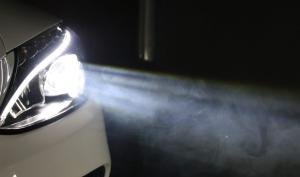
Headlights aren't used as often as many other components, but they're essential for allowing you to see in low-visibility conditions. Good headlights allow you to see the road and other vehicles and pedestrians. They also enable you to be seen. Your Toyota dealer can fix any headlight problem and fit new headlights if necessary. These are a few signs that you have a headlight problem and when to have your trusted auto repair shop install new ones in Baltimore, MD. White Spots on the Lenses Your headlights have clear plastic lenses, which are designed to allow the light to shine and still be protected against the elements. The headlight bulbs fit into sockets that connect to the electrical system. This makes it essential that water doesn't enter the headlight recesses. If water gets into the sockets, it will rust them and can create a short circuit. The lenses are securely attached to your car, but they can become damaged by grit or other road debris. A crack in a lens will easily allow water to enter the recess. The water will dry in the heat and leave white spots behind on the inside of the lens. Our technicians will examine the sockets and other parts of the system and repair or replace any damaged parts. more Blown Bulbs Headlight bulbs, like light bulbs in your home, have a limited life and will eventually fail. The lifespan of a headlight bulb varies between 500 hours and 30,000 hours, depending on the type of bulb installed in your car. As your bulbs wear out, they will become dim or will start to flicker. These two signs usually mean that your bulbs are failing. Blown bulbs can also be caused by other problems in your car. A worn alternator, for example, can also cause your bulbs to dim or flicker. In this case, the problem is caused by a lack of power supply from the alternator. Bulbs depend on a constant and consistent supply of power. If this power is interrupted, the bulbs will fail sooner than they should. Our technicians will replace the bulbs once we've repaired any electrical problems. Worn Fuses or Relays Your headlight bulbs have fuses connected to them. These fuses are designed to blow out if the electrical circuit is overloaded. If an electrical short occurs, the fuse will blow, and the headlight bulb will fail until the fuse is replaced. Depending on the type of bulb, the blown fuse could also cause the bulb to blow. Relays are installed in your headlights to regulate the high and low beams. A failed relay will prevent the high beams from switching on. We'll need to check the relays and fuses to fix this problem. DARCARS Toyota of Baltimore makes replacing your headlights simple and straightforward. Schedule a service online now to get the process started or contact us today if you have any questions.

Car Exhaust Pipe in Baltimore, MD

How Often Do You Need a Car Emissions Test in Baltimore, MD?

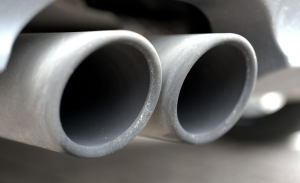
There are several different emissions tests, each of which is designed to test the level of dangerous chemicals emitted by your engine. If your car is found to emit more chemicals than it should, your car will need to be examined by technicians to correct the problem. Emissions tests are due every two years, and these tests coincide with your registration renewal. New cars and hybrid cars are not required to have an emissions test until the third year after their first registration. Certain other categories of cars are not subject to emissions testing due to age. Electric cars also do not undergo emissions testing as they produce no emissions regardless of age. What Do You Need for the Test? You need to book a test at one of the emissions testing centers in Maryland. These testing centers are certified by the Maryland Motor Vehicle Administration (MMVA). You'll need to take your driver's license, emission test notification letter, proof of insurance, and payment for the test. If you don't yet have your emissions test letter, you can take your registration renewal letter instead. more Types of Test There are several different tests, as mentioned above, but your car will only need to take one of them. These are the different tests and their requirements. Onboard Diagnostic Test This test applies to all vehicles from 1996 onwards that weigh up to 8,500 pounds. In this test, your car's computer is connected to the testing center's diagnostic system. This system interrogates your computer and then produces a printout of the level of emissions if any. Gas Cap Test This test is performed on vehicles manufactured between 1977 and 1985. It tests the gas cap to ensure that it fits securely, has effective seals, and can't leak gases from the fuel tank. Tailpipe Test This test also applies to vehicles made between 1977 and 1985, and it tests the level of emissions that exit the tailpipe when your engine is running. After the Test If you've passed the test, you'll be issued a Vehicle Emissions Inspection Program (VEIP) certificate. This certificate needs to be submitted with your registration renewal documents. The testing center will also upload a copy of the results to the MMVA. Now that you’re prepared with everything you need to know about car emissions tests, continue to benefit from more knowledge as a Maryland driver by reading similar blogs like “ How to Transfer Vehicle Ownership” or “ How Much is the Average Cost of Owning A Car?” today! Image by Pixabay

Catalytic Converter in Baltimore, MD

6 Signs Your Car Needs a New Catalytic Converter in Baltimore, MD

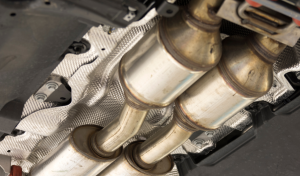
Within its unassuming steel casing, your catalytic converter contains some remarkable materials. Precious metals such as palladium, rhodium, and platinum coat a delicate honeycomb meshwork which cleans the more unpleasant emissions of your engine. But sometimes a cat can run into trouble, in which case your vehicle performance is likely to suffer. If you notice any of the following six problems, you might need to visit your local Toyota dealer to have your cat promptly fixed or replaced. Diminished Acceleration Are you stepping on the gas but your car isn't accelerating as it should? This can be a rather worrying experience while you're trying to overtake or cross a busy intersection. One possible cause of reduced acceleration is an oxygen-starved engine because of a clogged cat. more When emissions can't readily release through the cat and exhaust system, the airflow becomes backed up. This means the engine can't draw in fresh oxygen at the same rate as before. The result is an inefficient combustion process and less accelerative power. Plummeting Gas Mileage An engine that's struggling in this way because of a faulty cat will guzzle gas at a faster rate. The fuel-air mixture inside the combustion chambers has become unbalanced. The fuel being injected isn't generating as much driving force as it should.   To compensate, more fuel will be used, and, at the same time, you'll be covering less distance. So if you find yourself spending more time at gas stations, consider having your cat inspected. Faltering When Idling If the fuel-air mixture becomes unbalanced, the inside of your combustion chambers will rapidly become coated in excess, unburned fuel. This excess fuel coats the spark plugs, eventually causing misfires. You're likely to first notice this when your car starts idling roughly. Your engine will shake and shudder strangely and emit coughing, sputtering noises. Heat Building Under Your Car When cats become broken or clogged up, the emissions struggling to escape become backed up in the exhaust system. This creates an immense amount of heat. If you suspect cat problems, check how hot it is under your car. Of course, never touch any heated metalwork with your bare hand in case you get burned. Sounds of Rattling Metal If either your cat or its inner meshwork has become somehow loosened, you'll hear metallic rattling sounds from below while you're driving. This is likely to be accompanied by the indications of engine trouble previously mentioned. Your Toyota Service Center Finds a Fault Every driver should have their exhaust system periodically examined. An experienced technician at your trusted Toyota service center can find cat faults long before you notice the symptoms. This can often prevent the issues from developing and creating worse problems in your engine.   DARCARS Toyota of Baltimore has your back no matter what type of service or repair your car, truck, or SUV needs! So if it is time for a new catalytic converter in Baltimore, MD, don't hesitate to contact us or schedule a service with us today!

New working car headlights in Baltimore, MD

Does Your Toyota in Baltimore, MD, Need New Headlights?

Do you find yourself squinting to see the road at night? It might be time to change your Toyota's headlights. In darkness or foggy weather, bright and healthy headlights can sometimes save you from an accident. Let's take a look at three indicators that it's time to visit your local Toyota dealer in Baltimore, MD, for a pair of new headlights. Dimming Light Ahead It can sometimes be difficult to notice when an aging bulb begins to dim. This is because the change happens gradually. But oftentimes, a headlight bulb will dim by 20 percent or more before it finally dies. more If you notice dimming light from your bulbs, clean your headlights before assuming the bulb is finished. Sometimes this will solve the problem. Headlights can become clouded or dirtied by dust from the road or salted snow during winter. Flickering Light A far more obvious sign of headlight trouble is one of your bulbs flickering. This might mean the filament is broken and so the bulb needs to be replaced.   Flickering could also mean the bulb is loose, so you should check that it's screwed in firmly. There might also be a loose connection in the wiring behind the bulb. When you put in a new bulb, you'll soon see if the issue lies with the wiring. You can also test your bulbs with a multimeter if you have one. A Bulb Stops Working The clearest and most common sign of headlight trouble is one bulb dying. When this happens, it's generally better to replace both headlight bulbs at once. This is because when one of a pair dies, the other is rarely far behind. It can also be difficult to find identical bulbs and you wouldn't want mismatched lighting. What Type of Bulb Do You Use? The lifespan of your headlights depends a great deal on the type of bulb your vehicle uses. If you know what bulbs you're using, then you can have a rough idea of when they'll need to be replaced.   There are four types of bulbs. The most common are halogen bulbs, which tend to last 500 to 1,000 hours of usage. High-Intensity Discharge bulbs last up to 10,000 hours. Light-Emitting Diode bulbs last up to 30,000 hours. And the newest type of bulb, laser bulbs, last even longer than that. How a Toyota Dealer Tests Your Bulbs A technician will check your bulbs using a multimeter or a continuity tester. They'll also check your fuses and run tests to identify any wiring issues. If you wish to convert your headlights to use a different type of bulb, they can do this for you on most Toyota models. Schedule a service at DARCARS Toyota of Baltimore today to have your headlights checked and repaired. We're an award-winning dealership that puts focus on high-quality customer service.

Tire Pressure Check in Baltimore, MD

Driving in Baltimore, MD: How to Check Tire Pressure on Your Car

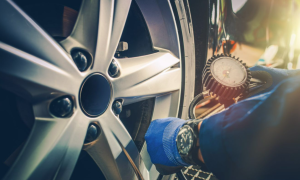
Overinflated tires are more likely to blow out or lose traction, causing a skid. Under-inflated tires tend to overheat and experience tread separation. Whether you're driving in Baltimore, MD, or anywhere else, it's important to check tire pressure regularly. Here's how to do it in seven simple steps. Set an Appropriate Schedule Inspecting your tires should become routine. It's recommended to measure your tire pressure once a month, or twice a month if you drive more frequently. And always check your tires before you set off on a long journey that will put your tires under a lot of pressure. more Prepare the Necessary Tools The only tools you'll need for this job are a tire pressure gauge and an air compressor. You can buy both at most auto parts stores. You can also find an air compressor at your local gas station. Many states require by law that air is provided for free to any driver who needs it at a gas station. Digital vs. Analog Pressure Gauges You'll need to purchase your own tire pressure gauge. You can use either a digital gauge or an analog one. Digital gauges tend to be more durable and slightly more accurate over time. But they're also more expensive, and they need batteries. Start When the Tires Are Cold You'll need to wait at least three hours after driving for the air inside your tires to be completely cold. You'll only get an accurate PSI reading when the tires are cold because heat from the road temporarily expands the air, artificially pumping up pressure readings. For this reason, many drivers only check their tires first thing in the morning. Know Your Vehicle's Optimal PSI The recommended tire pressure for most cars falls between 32 and 36 pounds per square inch (PSI). To find out the optimal tire pressure for your car, look in your owner's manual. You will also see this figure on a sticker inside the driver-side door of your car. Take Off the Air Valve Each tire has a thin air valve that pokes out of the sidewall. Remove the valve's cap and keep it in your pocket where you won't lose it. A little air will hiss out when you take off the cap, which is fine.   If you haven't checked your tires for a while, the cap might be a bit stiff. You can use a pair of pliers to help unscrew it. Apply the Pressure Gauge to the Valve Press the gauge against the valve and after a second or two, you'll be given a PSI reading. Compare this reading to your vehicle's optimal PSI. Adjust Air as Required Add air if the PSI reading is too low, and remove air if the reading is too high. To add air, use the air compressor. To remove air, you can press the little dot on the back of your gauge against the valve. This will let the air out.   Whether you're adding or removing air, make the changes in little increments, checking the PSI in between each one. When the PSI is just right, put the valve cap back on and check the next tire.   Whether you handle the task yourself or need a local professional to handle the care of your tires, we can help here at DARCARS Toyota of Baltimore! Visit our blog to learn more ways to maintain your car or click here to schedule a service appointment with us!

Dented Car in Baltimore, MD

What Should You Do If Your Toyota Gets Dented in Baltimore, MD?

All cars get dented sooner or later. But if you've bumped into something or someone else has knocked into you, leaving their mark, there's no need to despair. Car dents can sometimes be repaired at home using one of the following techniques. Of course, a technician at your local Toyota dealership can also sort it out for you. Suction Cup Dent Remover The easiest way to fix it yourself is with a specially designed suction cup kit. These tools come in different sizes for all different kinds of dents. They also come with instructions on how to prepare the bodywork, apply the suction cup tool, and yank the dented metal back out. more Sink or Toilet Plunger You might be surprised how often dents can be sorted out with a simple plunger for your sink or toilet. Either a cup or flange plunger can often do the job. First, pour boiling water over the dented area or heat it with a hairdryer, then apply the plunger and see if it pops back out. Boiling Water Dents commonly occur in plastic areas like the bumper. In this case, you might be able to soften the material with boiling water and then reach behind it and push the dent out with your hand.   The heat from the water causes the plastic material to expand and soften, allowing you to fix it. You might need to repeat the process a few times before your bumper looks good again. Please be very careful any time you use boiling water in this manner. Dry Ice When dealing with dents, it helps to remember that the material of your bodywork wants to spring back to its original shape. That's why dramatically altering the material's temperature can help it pop back out.   One way to do this is with dry ice, which works well for smaller, shallower dents. Make sure you're wearing protective gloves before you begin. Rub the dry ice against the dent until you hear the metal return to its true form. Hairdryer Your dent might have occurred in a place where you're able to apply pressure from the other side. In this case, use a hairdryer on maximum heat to warm up the affected area of bodywork. Then push from the other side. You can use a hairdryer to help prepare the dented material for any of the aforementioned techniques. Ask Your Toyota Dealer to Fix Your Car Dents If you're too busy to attempt the above DIY solutions, ask a technician to fix the dent for you. It's a small job that mechanics solve all day long, so it shouldn’t cost a lot of money. But having a professional fix it might save you a little time and hassle, and you know it'll be done right.   When you're ready to fix a dent yourself, we hope this blog comes in handy! Whether you're looking for more automotive tips or if you have a dent that will need special attention, visit us at DARCARS Toyota of Baltimore. Our auto repair shop will take care of the dents, so you don't have to! Schedule a service with us today!

Contact Us

Fill out this form below and we'll contact you shortly
*Required Fields